

Protecting Public Health and the Environment
The Water Pollution Control Facility (WPCF) is the regional wastewater treatment plant for the City of Newport and surrounding service area. It removes solids, organic pollution, and pathogens from wastewater before treated effluent is discharged to Narragansett Bay under the City’s RIPDES permit. Treated effluent meets all permit limits and supports the recovery of Narragansett Bay water quality measured over the past two decades.
The WPCF serves:
- City of Newport
- Town of Middletown
- Naval Station Newport
- Naval Undersea Warfare Center
- Town of Portsmouth (septic and holding tank haul in only)
The treatment plant is operated by Veolia Water Services Newport LLC under a 20 year contract with the Department of Utilities, in effect since July 2016. City staff operate the collection system, pump stations, and CSO treatment facilities.
Capacity and Performance
- Average Flow: 11.7 million gallons per day (MGD)
- Peak Capacity: Over 30 MGD
- Population Served (year round): 41,000+
- Population Served (peak season): 100,000+
The WPCF consistently meets or exceeds Rhode Island Pollutant Discharge Elimination System (RIPDES) permit standards. Detailed effluent monitoring data and annual compliance summaries are published on the Wastewater Quality and Performance page.
The Treatment Process
Wastewater treatment at the WPCF follows a multi-stage process designed to remove solids, organic pollution, and pathogens before discharge:
- Preliminary treatment. Bar screens and grit chambers remove large solids, sand, and grit that would damage downstream equipment.
- Primary treatment. Wastewater settles in primary settling tanks. Heavier solids settle to the bottom as sludge; grease and oils float to the top and are skimmed off. The 2016 to 2019 modernization added chemically enhanced primary treatment for improved pollutant removal.
- Secondary biological treatment. Microorganisms in aeration tanks break down dissolved organic matter. The mixture then flows to secondary clarifiers where biological solids settle out.
- Disinfection. The Newport plant uses chemical disinfection (sodium hypochlorite) to inactivate pathogens before discharge.
- Solids handling. Sludge removed at primary and secondary stages is thickened, digested, and dewatered for disposal. Solids are managed under a contract with Synagro.
- Monitoring and reporting. Effluent quality is continuously monitored and verified through routine laboratory sampling. Results are reported to RIDEM and EPA under the RIPDES permit.
For an interactive virtual tour of the plant, view the story map below or open the Newport Water Pollution Control Plant Tour.
Regulatory Framework
The WPCF operates under the Federal Clean Water Act and the Rhode Island Pollutant Discharge Elimination System (RIPDES) discharge permit administered by RIDEM. The City operates under a long standing federal Consent Decree with EPA and RIDEM that addresses combined sewer overflow control. The CSO Long Term Control Plan, approved by RIDEM, defines Newport’s strategy for managing combined sewer overflows. Industrial users are regulated under Newport’s Industrial Pretreatment Program. Solids are managed under applicable RIDEM regulations and the City’s contract with Synagro. Investment in this system is not discretionary; it is the City’s federal and state compliance obligation.
History and Modernization of the Water Pollution Control Facility
Since opening in 1955, the Water Pollution Control Facility has reflected Newport’s ongoing commitment to protecting public health and the environment. Over the decades, changing environmental standards and technological advancements have driven several modernization projects to ensure the facility continues to meet performance and compliance standards.
The Early Years
The original WPCP was constructed in 1955, using Imhoff tank technology for primary treatment. The Imhoff tank is a two chamber design that combines settling and digestion in a single structure. It was designed to serve wastewater needs for the City of Newport, Town of Middletown, and portions of Naval Station Newport. Before the WPCP was constructed, wastewater from homes, businesses, and industries flowed directly into local streams, drainage channels, and Narragansett Bay without treatment.
1980s and 1990s Upgrades
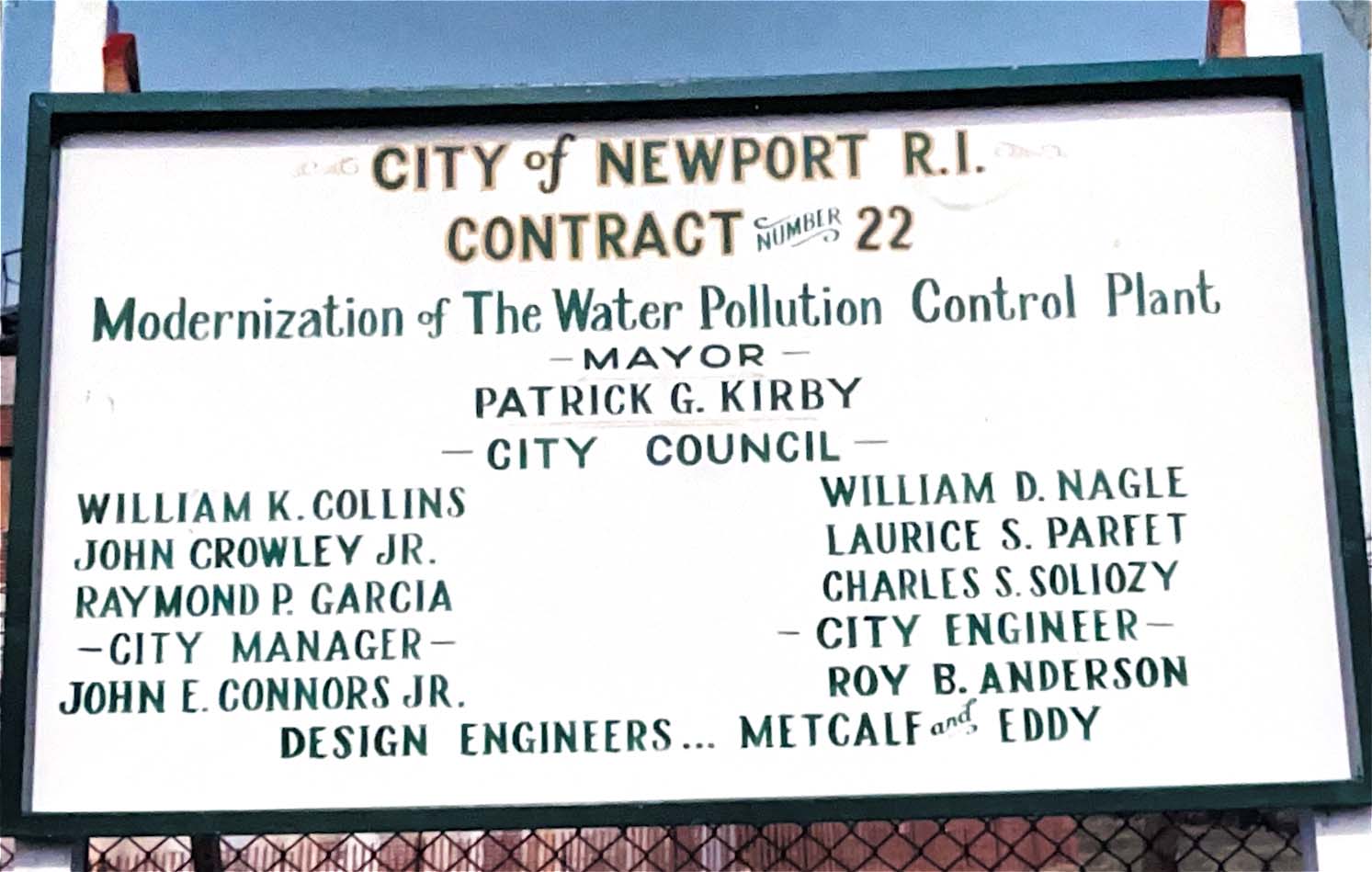
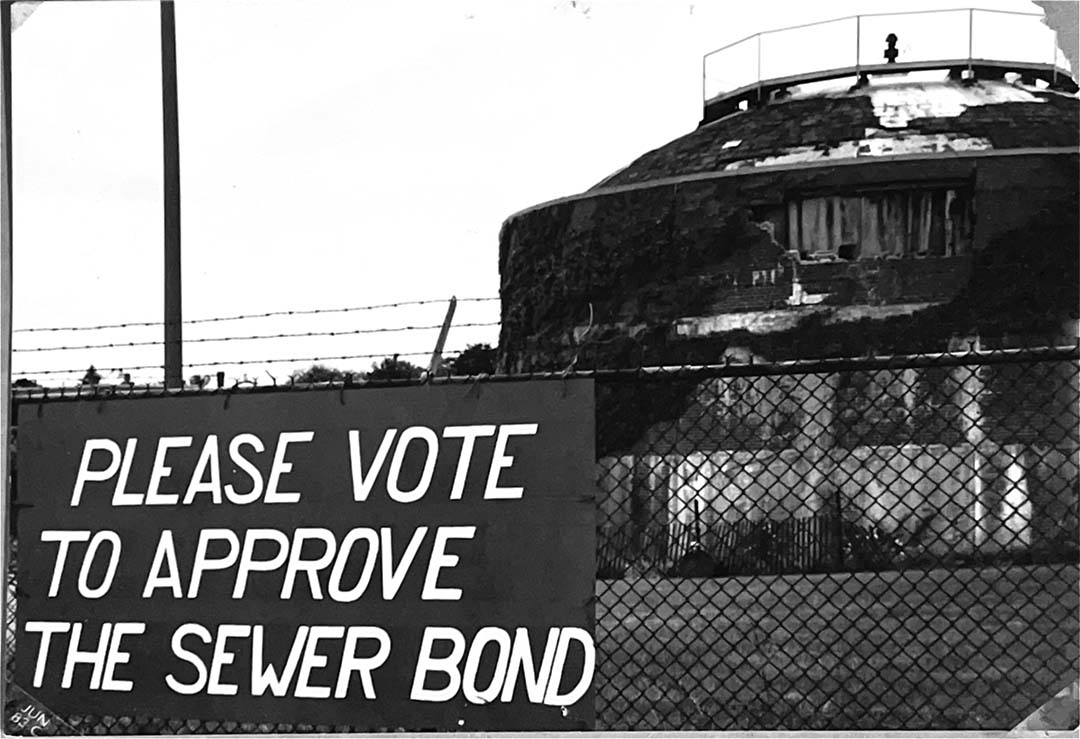
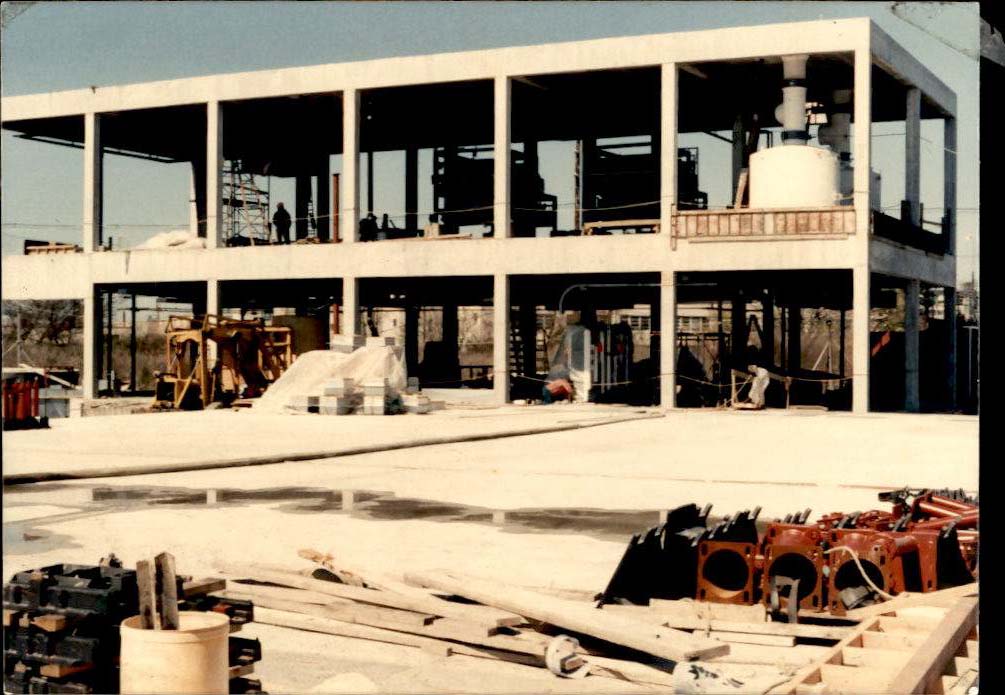
By the mid 1980s, the facility required significant improvements to meet evolving environmental regulations. In 1986, with advocacy from Save the Bay and strong community support, Newport voters approved a $4 million sewer bond to fund major plant upgrades. Construction began the same year and was completed in 1991, introducing enhanced primary treatment and adding secondary treatment technology to meet Pollutant Discharge Elimination System limits for conventional pollutants. Secondary treatment goes beyond simply removing solids (which happens during primary treatment) to actually remove dissolved and organic matter that can harm the environment.
2016 to 2019 Modernization Project
From 2016 to 2019, the WPCF underwent its most substantial modernization to date, a $50 million project aimed at increasing wet weather capacity, improving operational efficiency, and enhancing effluent quality. The project was financed through a low interest loan from the Rhode Island Infrastructure Bank.
The upgrades were specifically designed to address wet weather flows and reduce combined sewer overflows (CSOs), in accordance with the Consent Decree with EPA and RIDEM. Key improvements included:
- Increasing treatment capacity from 19 MGD to over 30 MGD, enabling the plant to better manage extreme weather events. Stormwater still flows through the plant from remaining combined sewer areas in the system.
- Implementing chemically enhanced primary treatment for improved pollutant removal during high flow conditions.
- Installing biofilters and upgraded solids management systems to minimize odors and improve air quality.
- Adding a UV disinfection system for the Easton’s Beach outfall to eliminate harmful bacteria from stormwater discharge without using chemicals.
- Installing 790 solar panels generating approximately 328,000 kWh per year, making the WPCF home to Newport’s largest solar array.
Continued modernization, including ongoing primary clarifier rehabilitation, supports continued protection of local waterways and the community’s wellbeing.