

55
Miles of Storm Drain
1,289
Number of Manholes
3,291
Number of Catch Basins
161
Number of Outfalls
Newport is proposing a dedicated stormwater fee
Stormwater service is currently funded through the sewer rate. A rate study is underway that would move this cost to a dedicated fee based on impervious area. Learn about the proposal, how it would affect your bill, and how to participate in the public process.
Newport’s stormwater system
In addition to managing the sewer system, the Water Pollution Control Division (WPC) manages, maintains, and upgrades Newport’s stormwater system, some of which dates back to the 1870s. This vital infrastructure includes storm drains, catch basins, tide gates, outfalls, and green infrastructure that together help control flooding and protect local waterways.
Why Stormwater Systems Matter
Stormwater systems may be out of sight, but their importance is significant. They safeguard your home, roads, drinking water sources, and the environment, contributing to a safer, healthier, and more resilient community with each storm. Here’s how the stormwater system supports our community:
The stormwater system is essential for:
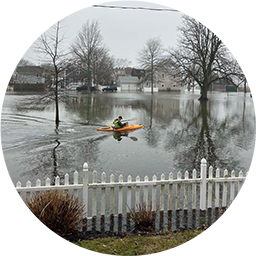
Managing Stormwater & Flood Risk
Storm drains capture and direct runoff from roads, parking lots, and buildings, minimizing flooding during heavy rain and snowmelt events.
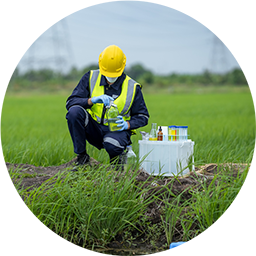
Supporting Public Health
Stormwater systems reduce standing water and minimize combined sewer overflows, helping to prevent the spread of waterborne diseases and limiting breeding grounds for mosquitoes and other pests.

Protecting the Environment
Most stormwater in Newport’s separated system is not treated before discharge. Storm drains flow directly into local waterways. By controlling how runoff moves and reducing what enters the system, the Department helps protect water quality for people, wildlife, and the environment, and reduces erosion of natural landscapes.
Due to the criticality of the system in our everyday lives, it’s:
Infrastructure that Needs Care & Investment
Much of Newport’s stormwater system is over 70 years old and was not built to handle the more frequent, intense storms experienced today. As development increases, storms intensify, and infrastructure ages, the system struggles to keep up, which can lead to flooding, erosion, and costly emergency repairs. Continuous maintenance, upgrades, and smart investments are essential to ensure reliable service for years to come.
The Problem: Aging Infrastructure
The lifespan of infrastructure components varies significantly based on materials, environmental conditions, maintenance practices, and usage.
Stormwater System Infrastructure
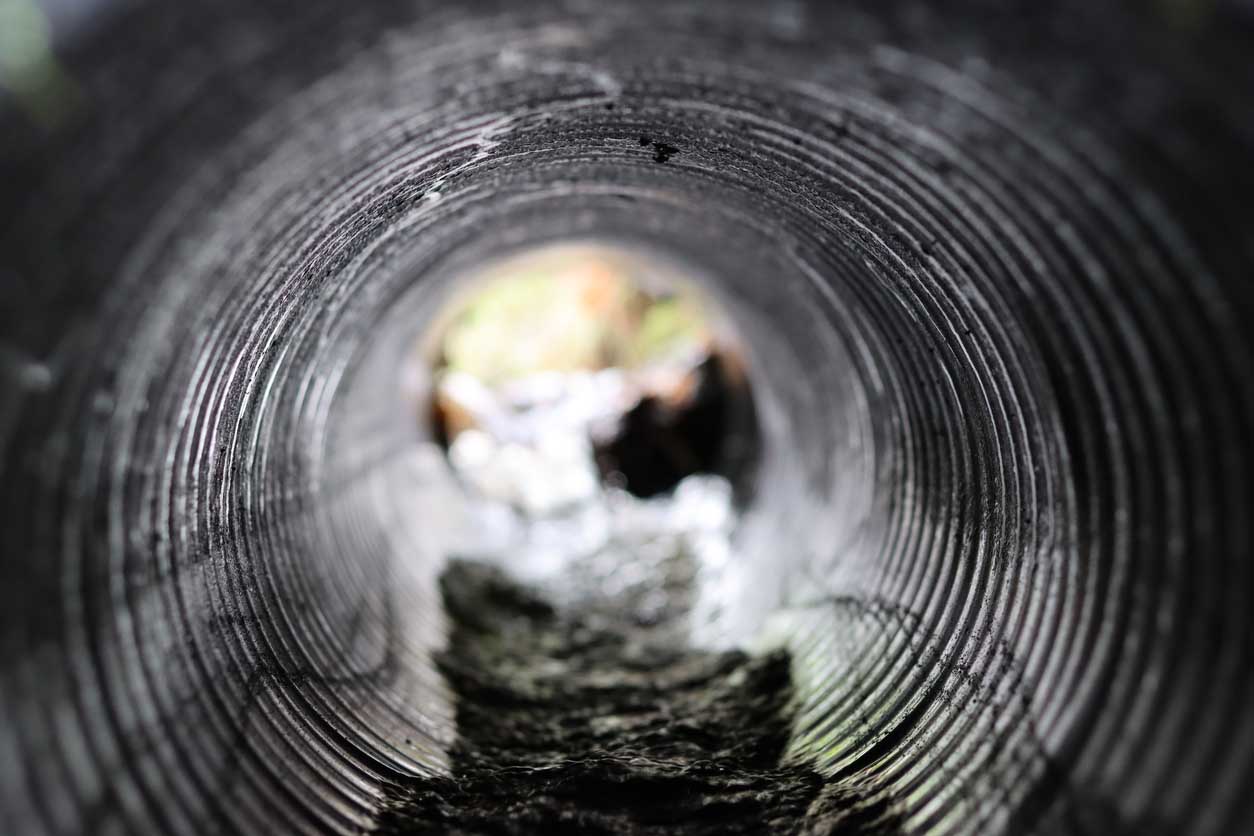
Stormwater Pipes
The average useful lifespans of stormwater pipes vary based on their material. Corrugated Metal pipes may last 30 to 70 years, while Reinforced Concrete pipes can exceed 75 years. Newport’s system includes a mix of materials installed across more than a century, with some sections lacking complete construction records.

Tide Gates and Coastal Outfalls
Tide gates at coastal outfalls prevent seawater backflow during high tides and storm surge. They are critical to coastal flood protection but can also restrict discharge during high tide, which can compound flooding when heavy rain coincides with high tide.
Factors Influencing Lifespan
Understanding these factors helps WPC plan maintenance, rehabilitation, and replacement to keep the system functioning efficiently and reliably.
The map provides data on the age and material of the stormwater pipe network. The age of significant portions of the stormwater system remains unknown because WPC took ownership of pre-existing pipes from earlier private and city installations without complete construction records.
Stormwater System History
Newport’s stormwater system in its modern form dates to the 1970s separation program. Before separation, stormwater and sanitary wastewater shared the same combined pipes built under Colonel George Waring in the 1870s. As part of the program to reduce combined sewer overflows into Narragansett Bay, the City installed dedicated stormwater pipes, disconnected catch basins from the combined system, and rerouted runoff to dedicated outfalls.
Read more…
Today the stormwater system covers most of the City as a separate municipal storm sewer. Some areas, particularly in the southern parts of the City, retain combined infrastructure where stormwater and sanitary sewer share pipes. The legacy of this mixed history is reflected in the system’s age, materials, and the City’s ongoing work to identify and disconnect remaining cross connections.
A significant portion of the stormwater system was inherited from earlier private and city installations and lacks complete construction records. The Department continues to inventory the system through condition assessment, video inspection, and asset mapping.
The Department’s primary water quality challenge has shifted over time. Combined sewer overflow discharges, the principal concern from the 1970s through the 2000s, have been reduced more than 80 percent and are now treated and disinfected before discharge. Stormwater runoff is now Newport’s primary water quality challenge, which is the operational driver behind the current rate study and the proposed dedicated stormwater fee.
Most stormwater in the separated system is not treated before discharge. The exception is the UV disinfection system at the Easton’s Beach outfall. Source control at the property and neighborhood level is the most cost effective way to protect receiving water quality, which is why the Department invests in catch basin cleaning, street sweeping, illicit discharge detection, and public education.
Stormwater Quick Facts
- 1870s: Original combined sewer system constructed under Colonel George Waring; legacy combined components remain in southern Newport.
- 1970s: Sewer separation program installs dedicated stormwater system; most of the City converts to separated stormwater.
- 1978 and 1991: Wellington Avenue and Washington Street CSO Treatment Facilities constructed to treat and disinfect wet weather flow from remaining combined areas before discharge.
- 2014: Newport’s stormwater system regulated under the RIPDES Phase II Small MS4 General Permit administered by RIDEM.
- 2021: RIDEM Total Maximum Daily Load Report identifies urban and residential runoff as the largest source of pollutants for six of Newport’s nine drinking water reservoirs.
- Today: CSO discharges have been reduced more than 80 percent since the 2000s and every CSO discharge is treated and disinfected before release. Stormwater runoff has replaced CSOs as Newport’s primary water quality challenge.
- 2026: Rate study underway proposing a dedicated stormwater fee based on impervious area; no rate change has been adopted.
Stormwater and the Combined Sewer System
Stormwater and sewer service overlap in Newport’s older neighborhoods. Most of the City has a separated system, where stormwater flows through dedicated catch basins, pipes, and outfalls. In legacy southern areas, some pipes still carry both stormwater and sanitary wastewater. During heavy rain in those combined areas, flow is routed through the City’s two CSO treatment facilities, where it is screened, settled, and disinfected before discharge to Narragansett Bay.
This means stormwater management and sewer management cannot be fully separated in Newport. Reducing inflow into the combined system, disconnecting downspouts, controlling impervious area, and continuing the CSO control program all contribute to both cleaner stormwater outfalls and fewer wet weather impacts on the wastewater treatment plant. For a deeper look at the combined sewer overflow program, see the CSO Control Program page.
Real-Time Newport Harbor Data
Two monitoring stations in Newport Harbor collect ambient water quality data year-round.
The Department of Utilities operates two continuous water quality monitoring stations in Newport Harbor. These stations measure ambient conditions in the receiving water and support transparency about harbor water quality over time, including how it varies with weather, tides, and seasonal activity. Together with compliance sampling required under the City’s RIPDES discharge permits, these stations provide continuous awareness of the waters that receive treated effluent and stormwater discharge.
Newport Harbor Monitoring Station 1
Newport Harbor. Continuous ambient water quality monitoring.
Newport Harbor Monitoring Station 2
Newport Harbor. Continuous ambient water quality monitoring.
How to read the data
- These stations measure ambient harbor conditions, not regulatory compliance. Harbor water reflects many inputs including runoff, upstream rivers, tidal exchange with the bay, boating activity, and wildlife. The data provides a continuous picture of conditions but is not used for RIPDES compliance. Compliance sampling is conducted through the City’s RIPDES permit program and reported to RIDEM.
- Conditions vary with weather and tides. Salinity changes with freshwater input during storms. Dissolved oxygen varies with temperature and biological activity. Turbidity increases after heavy rain when runoff enters the harbor. These patterns are normal and expected.
- Elevated readings during or after storms are expected. Heavy rainfall increases runoff carrying sediment, nutrients, and other pollutants from land surfaces across the entire watershed. This is why stormwater source control and the MS4 program are important.
- Year-round operation. The harbor stations operate continuously, year-round, providing uninterrupted data except during scheduled maintenance or calibration.
Data hosted by NexSens WQData LIVE. The Department of Utilities is responsible for the monitoring stations and their maintenance. For the consolidated view of all Department monitoring stations, see the Water Quality Monitoring page. For questions about stormwater or wastewater discharge monitoring, contact the Department at 401-845-5600 or see the Wastewater Quality and Performance page for discharge monitoring data.
