
214
Miles of Distribution Mains
15,300
Number of Services
1,312
Number of Hydrants
3,565
Number of Valves
Newport Water Division
The Newport Water Division (NWD) operates, maintains, and upgrades the drinking water system serving the City of Newport, the Town of Middletown, and the U.S. Navy facilities at Naval Station Newport and Naval Undersea Warfare Center (NUWC). NWD also provides wholesale supply to the Portsmouth Water and Fire District. Originally established in 1876, the system today includes an extensive network of distribution pipes, reservoirs, treatment plants, clearwells, valves, and fire hydrants. NWD draws raw water from a network of surface water reservoirs and treats it at two water treatment plants using a multi-stage process that includes pre-oxidation, coagulation, dissolved air flotation, granular media filtration with granular activated carbon, disinfection, and pH adjustment. Mechanical fluoride adjustment is Fluoridation — currently suspended (official notice).
Why The Water System Matters
A reliable drinking water system is vital to public health, safety, and quality of life. It ensures clean, safe water is always available for drinking, cooking, bathing, cleaning, and firefighting, fundamental needs that protect and sustain the community every day. Here’s how the water system supports our community:
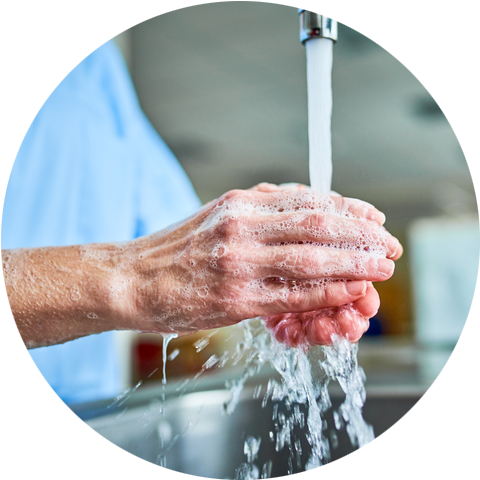
Protecting Public Health
The system safely sources, treats, and delivers clean water, helping to prevent the spread of waterborne illnesses and safeguard the health of residents.
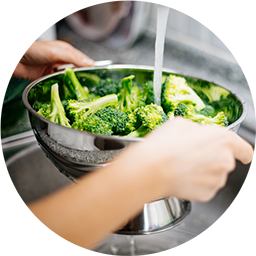
Supporting Daily Life
From drinking and cooking to bathing and cleaning, the water system provides the dependable supply that powers everyday activities.

Ensuring Public Safety
By supplying water for firefighting and emergency response, the system is a critical resource for protecting lives and property.
Promoting Economic Stability
Reliable water service supports homes, schools, hospitals, and businesses, helping maintain a stable and thriving local economy.
Due to the criticality of the system in our everyday lives, it’s:
Infrastructure that Needs Care & Investment
Much of the drinking water system was built over a century ago and is now nearing the end of its expected lifespan. As infrastructure ages, the risk of leaks, contamination, and system failures increases. Continuous maintenance, strategic upgrades, and long-term investments are essential to prevent service disruptions, ensure water quality, reduce costly emergency repairs, and protect the public, environmental, and economic health for generations to come.
The Problem: Aging Infrastructure
The lifespan of infrastructure components varies based on materials, environmental conditions, maintenance practices, and usage.
Water Distribution System Pipes
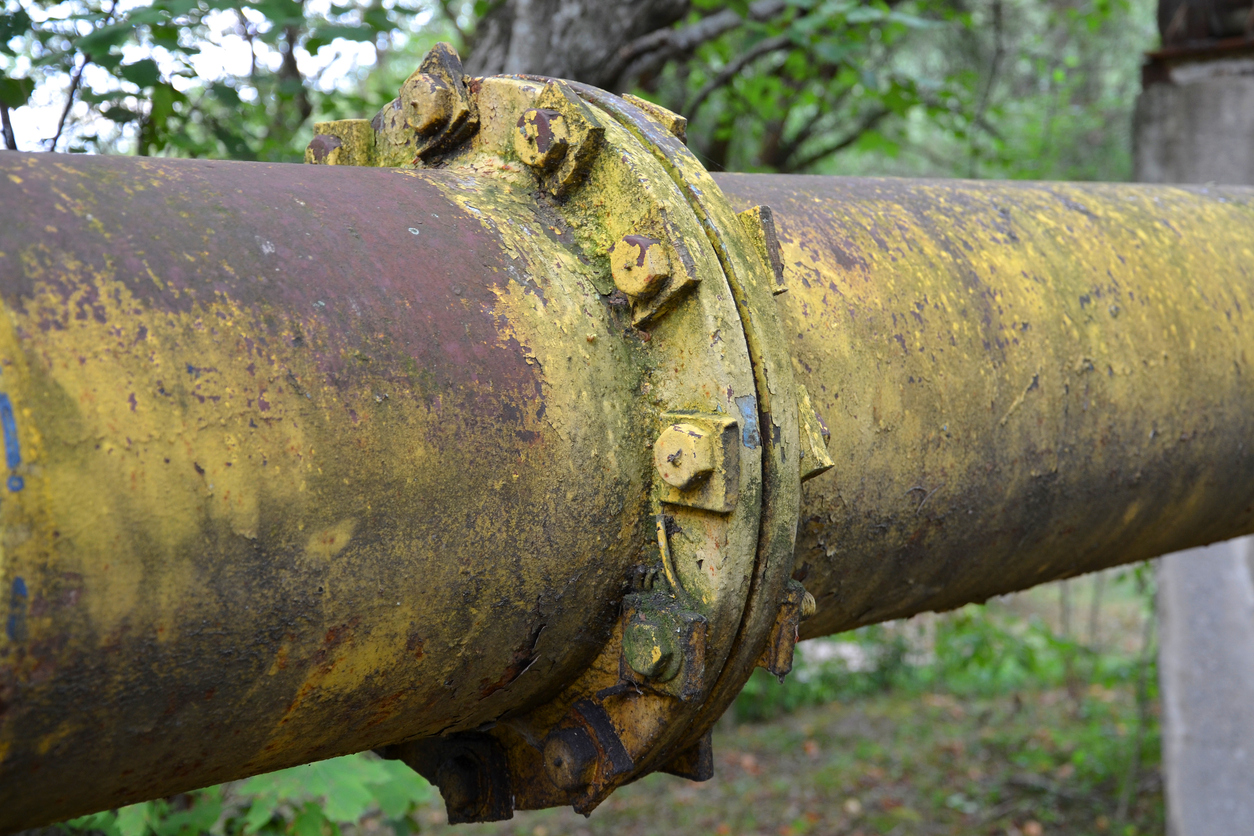
Cast Iron
Commonly used in the late 19th and early 20th centuries, cast iron pipes have an average useful lifespan of 120 years.
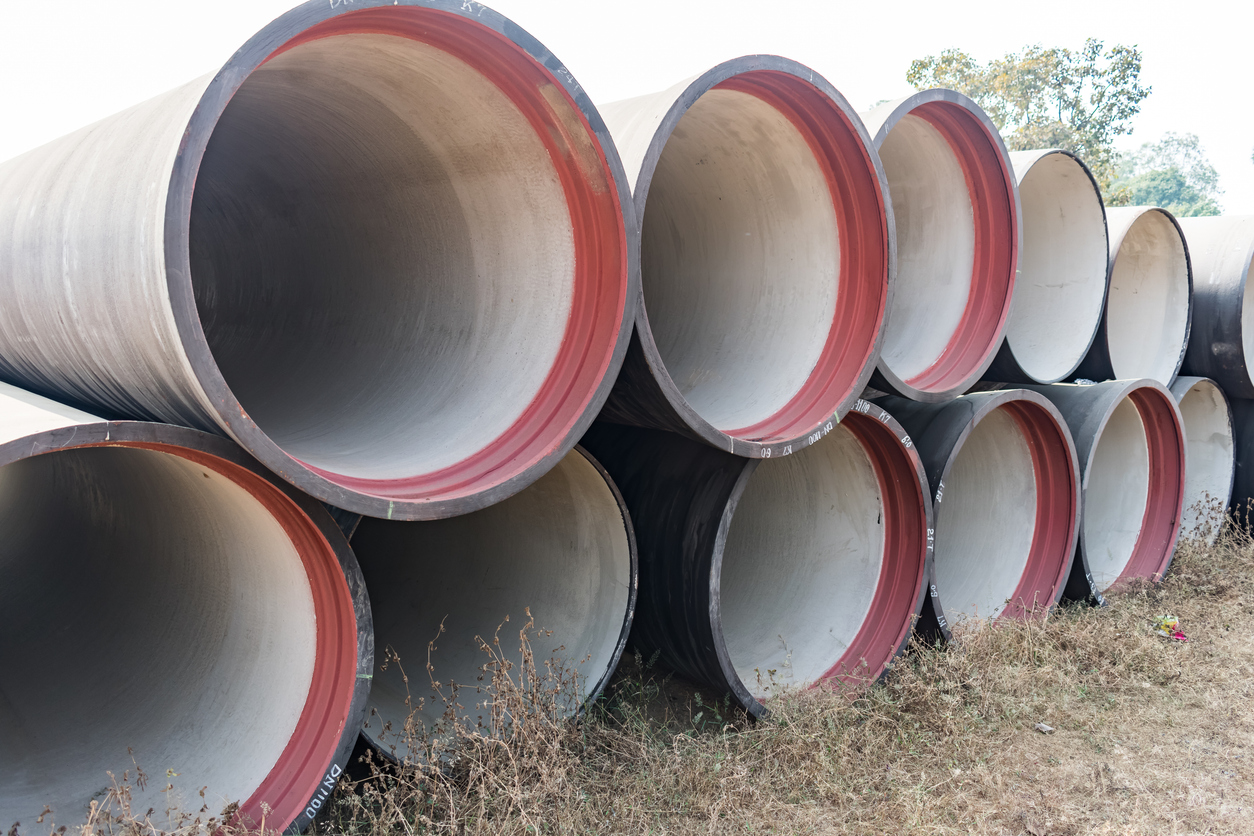
Ductile Iron
Introduced in the 1950s, ductile iron pipes have an average useful lifespan of 100 years.
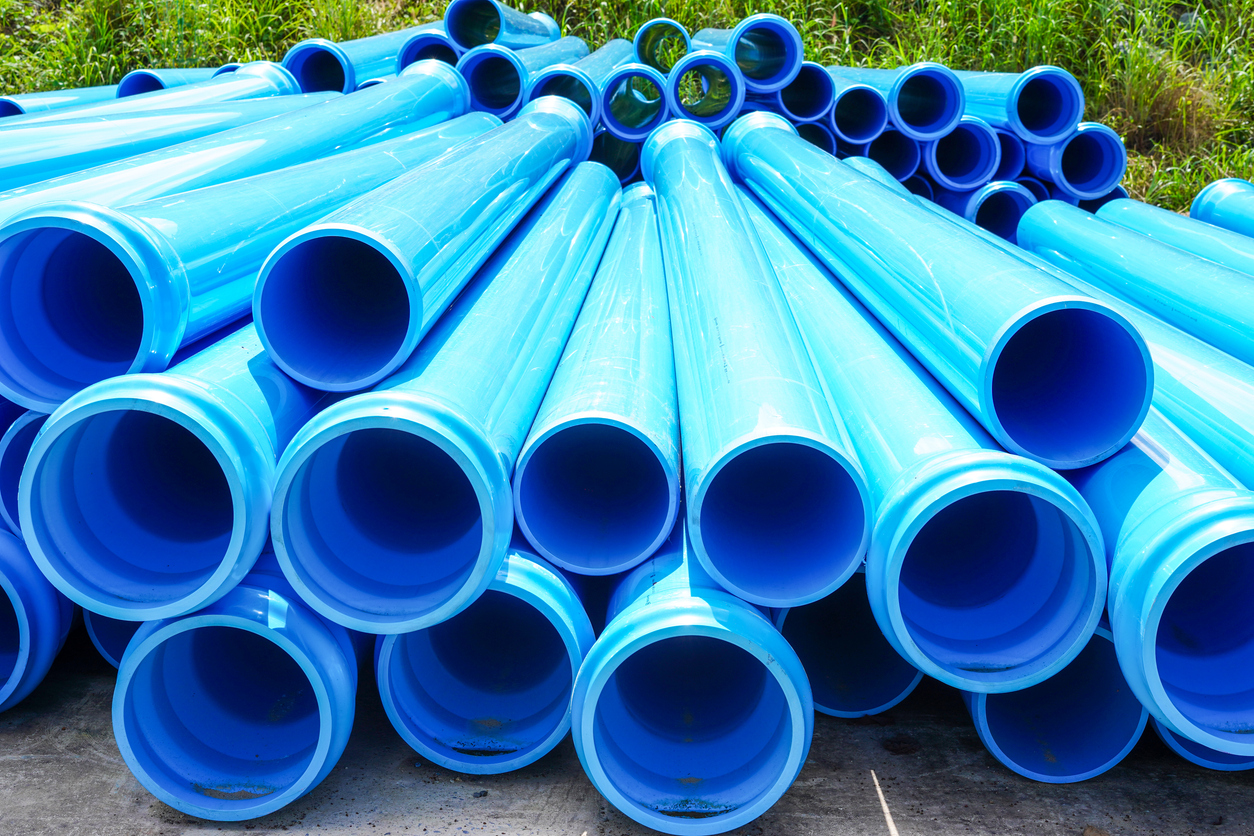
Polyvinyl Chloride (PVC)
Popular since the 1970s, PVC pipes have an expected average useful lifespan of 70 years.
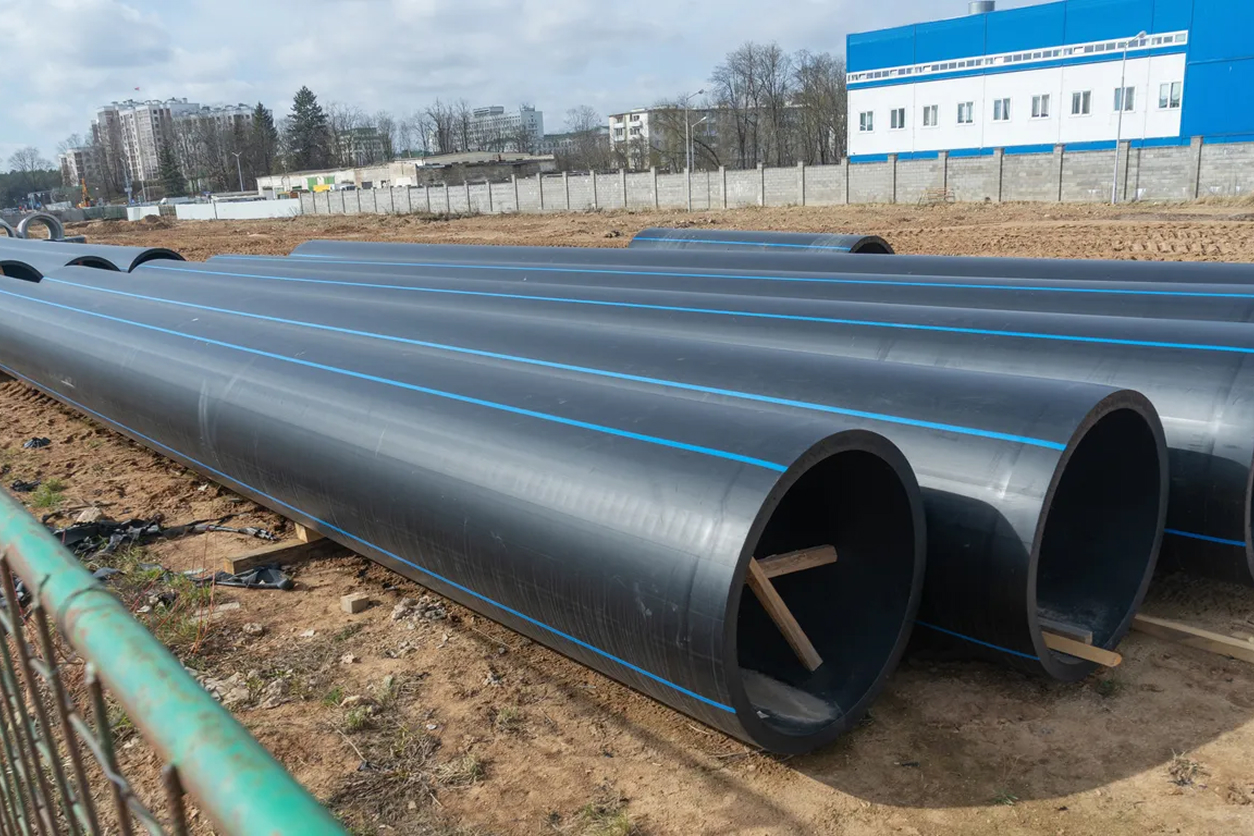
High-Density Polyethylene (HDPE)
In use since the 1990s, HDPE pipes have an expected average useful lifespan of 70 years.
Miles of water main installed by material type over time
The map shows the age of water mains in the system. More than 15 percent of the pipes are made of cast iron and have an average age of almost 90 years. Many of these cast iron pipes have been relined with cement, which can extend their lifespan by an additional 40 to 50 years.
Regulatory Framework
Newport’s drinking water is regulated by the Rhode Island Department of Health (RIDOH) under the Federal Safe Drinking Water Act and applicable Rhode Island General Laws. The City reports to RIDOH on water quality, treatment performance, and lead service line management, and provides annual Consumer Confidence Reports to all customers as required by Federal and State law. Water rates are regulated by the Rhode Island Public Utilities Commission (RIPUC) under RIGL Title 39. Lead service line management is conducted under the Federal Lead and Copper Rule Revisions and the Lead and Copper Rule Improvements (LCRR/LCRI), with the November 1, 2027 compliance deadline driving program inventory, replacement, and notification activities.
NWD History
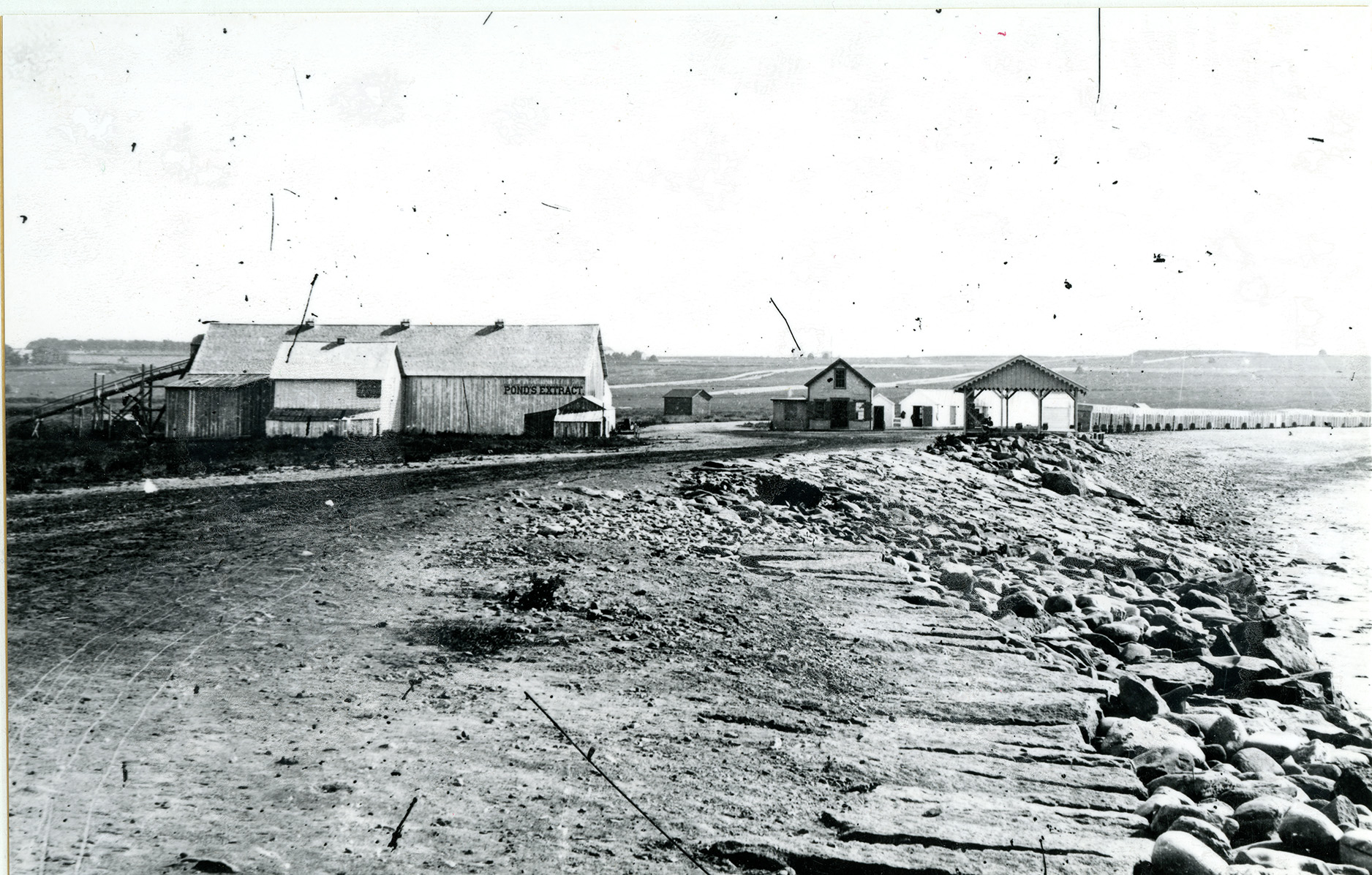
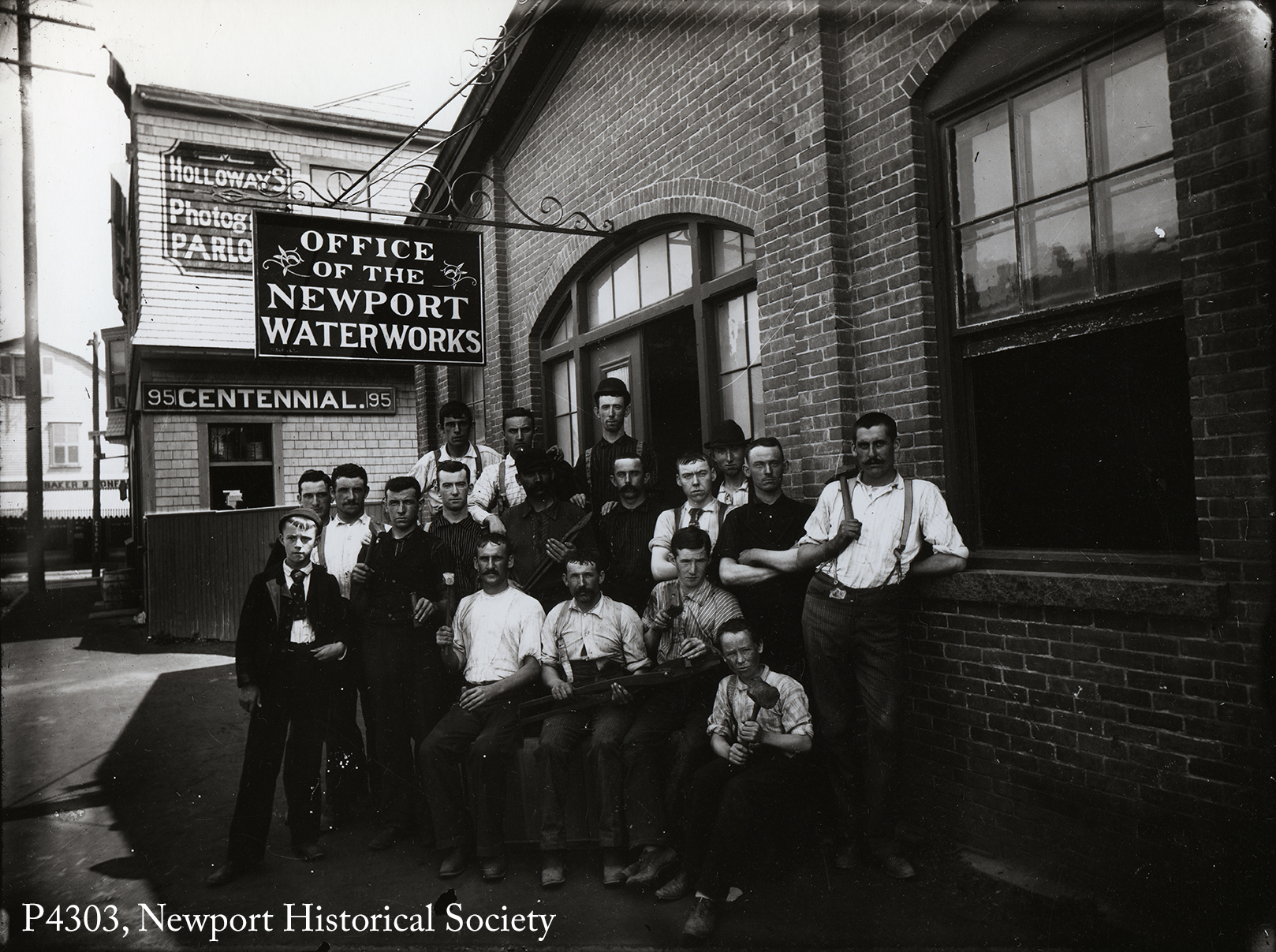
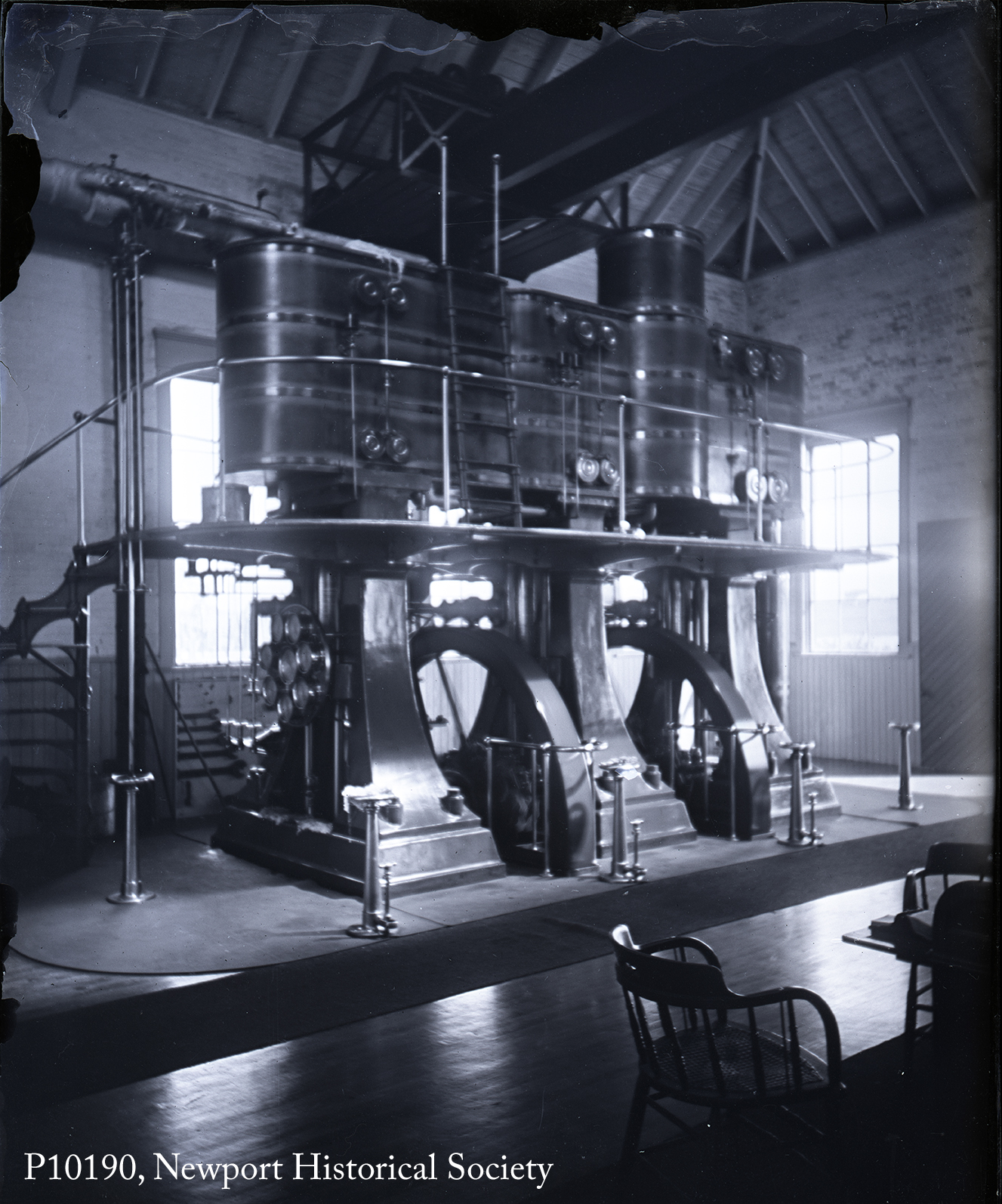
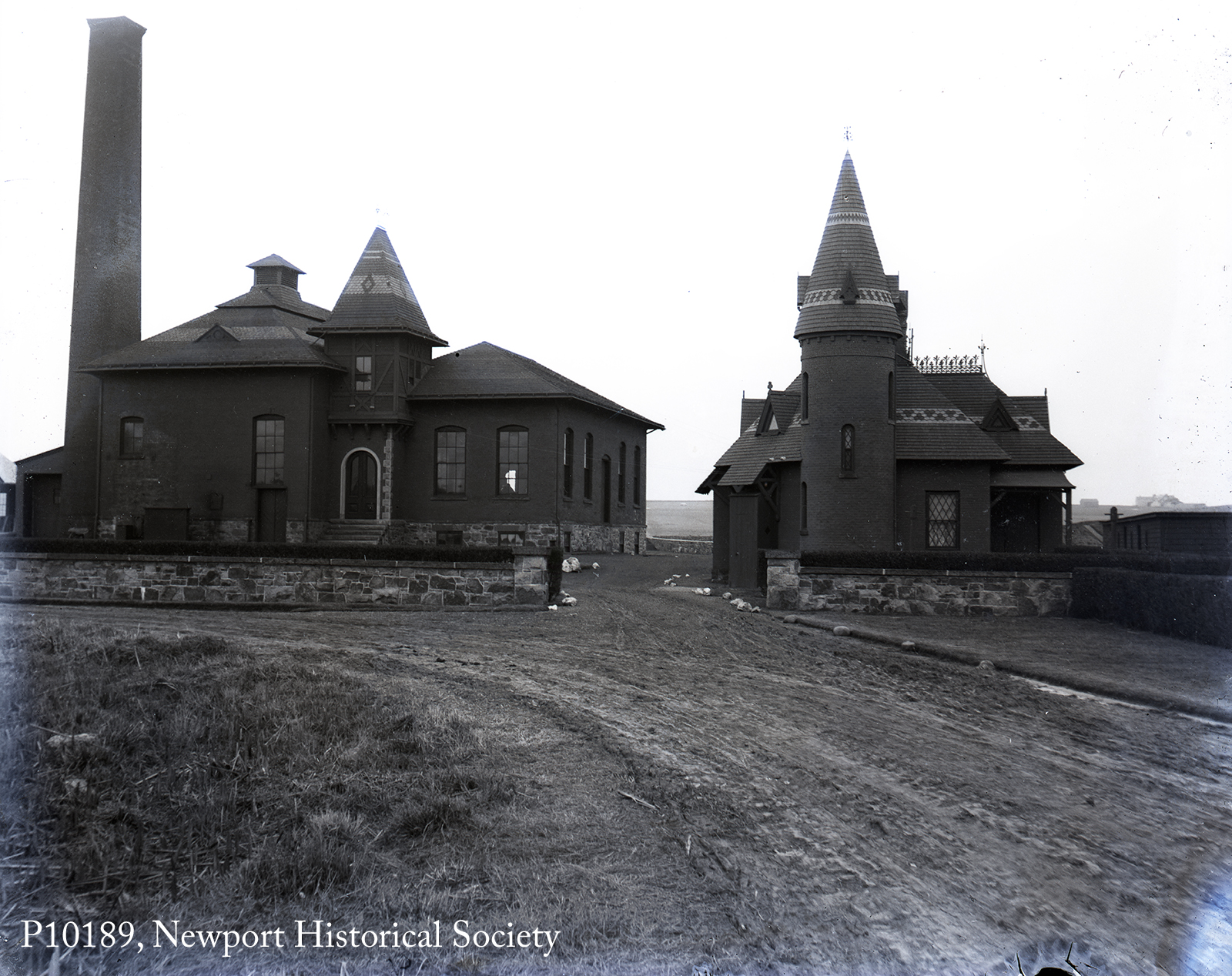
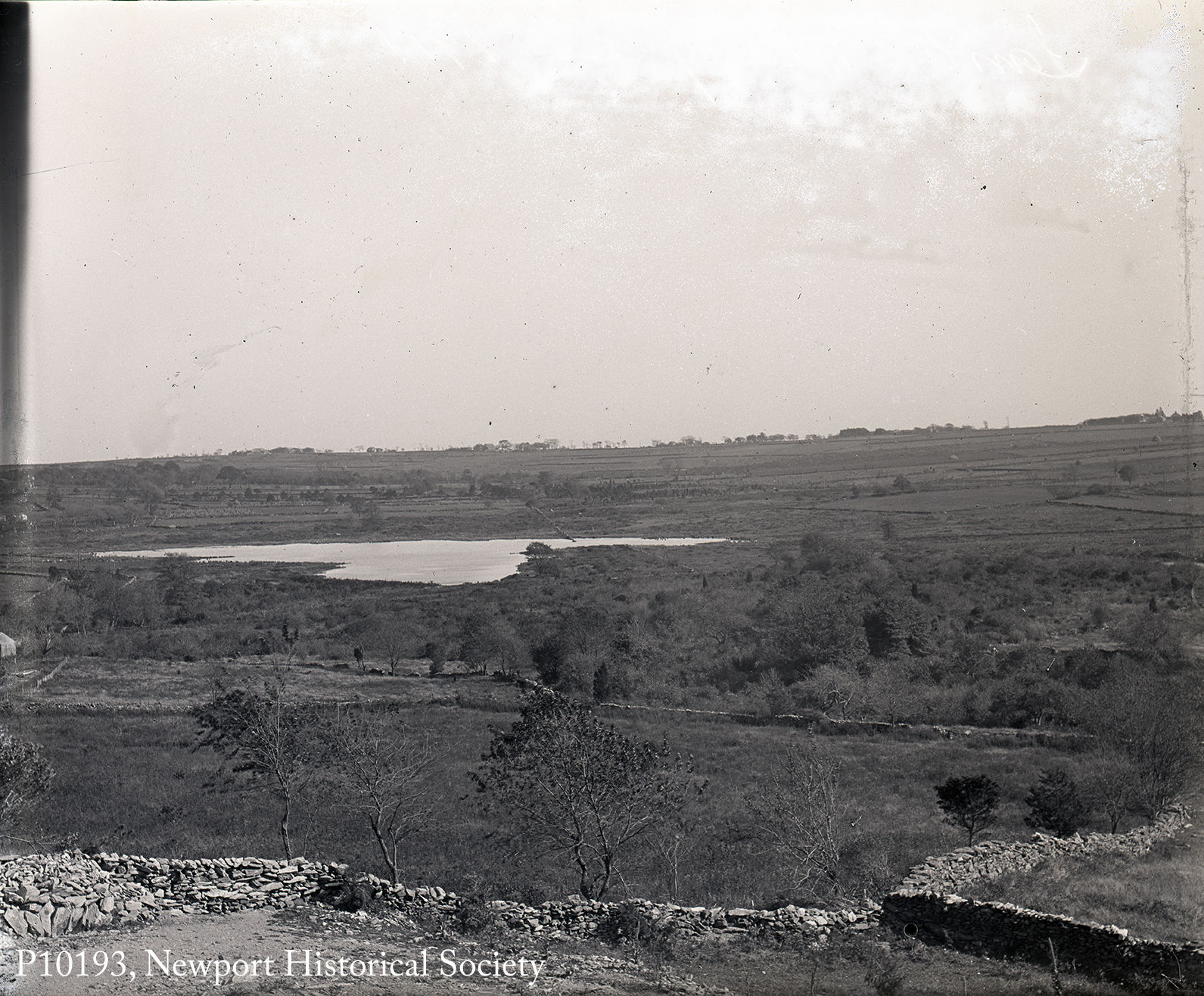
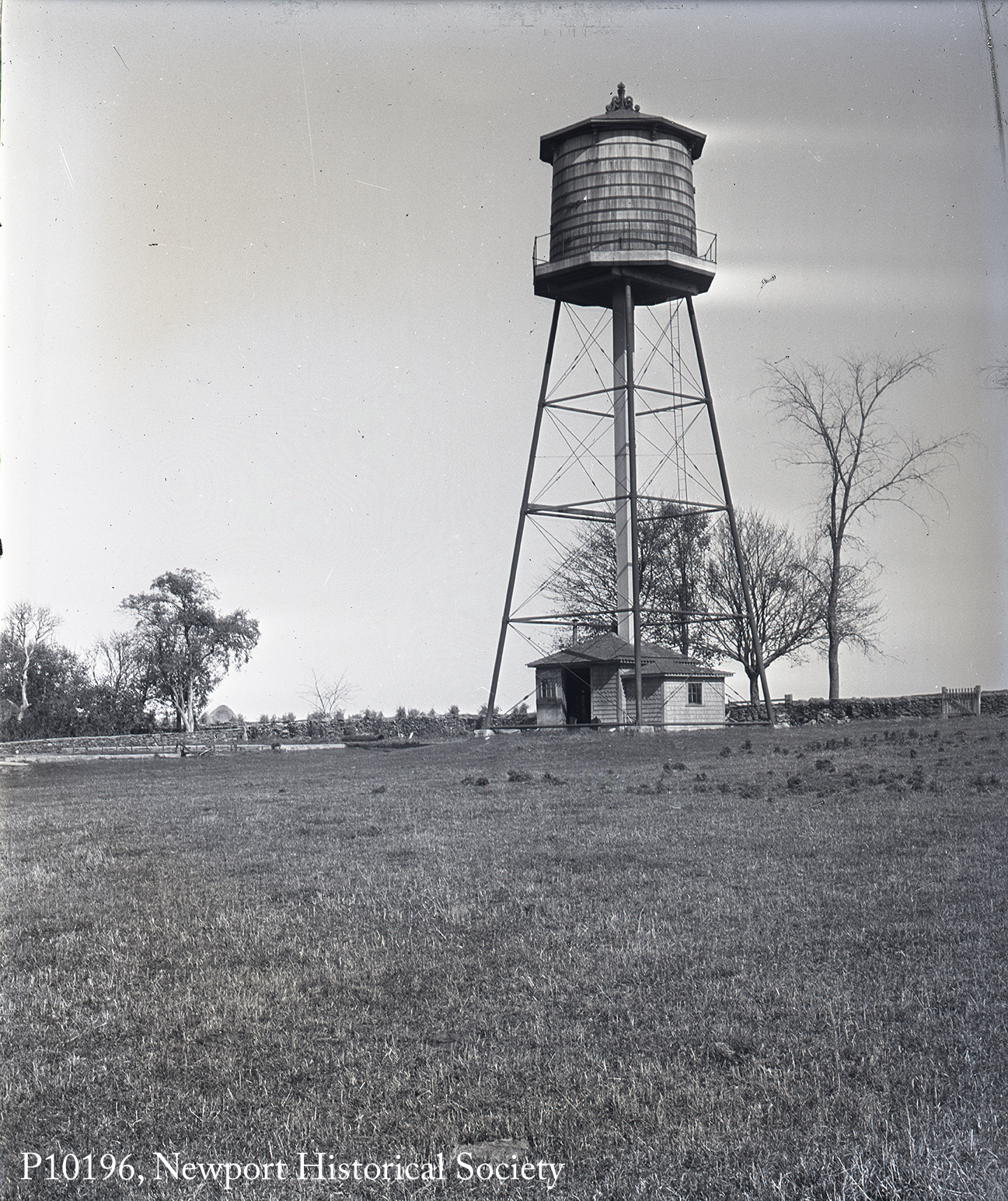
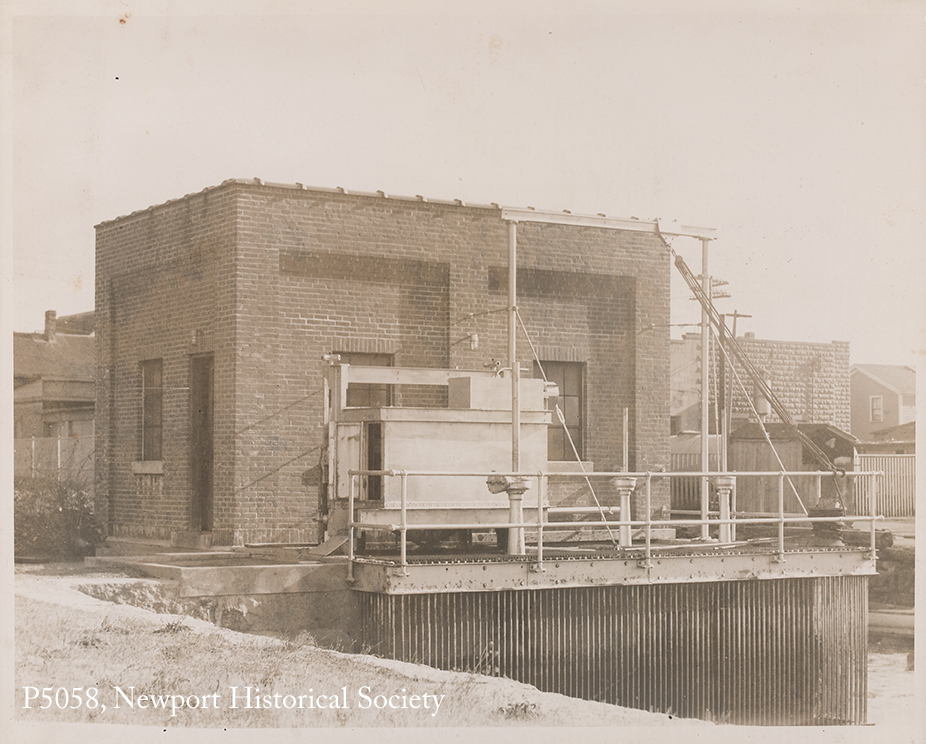
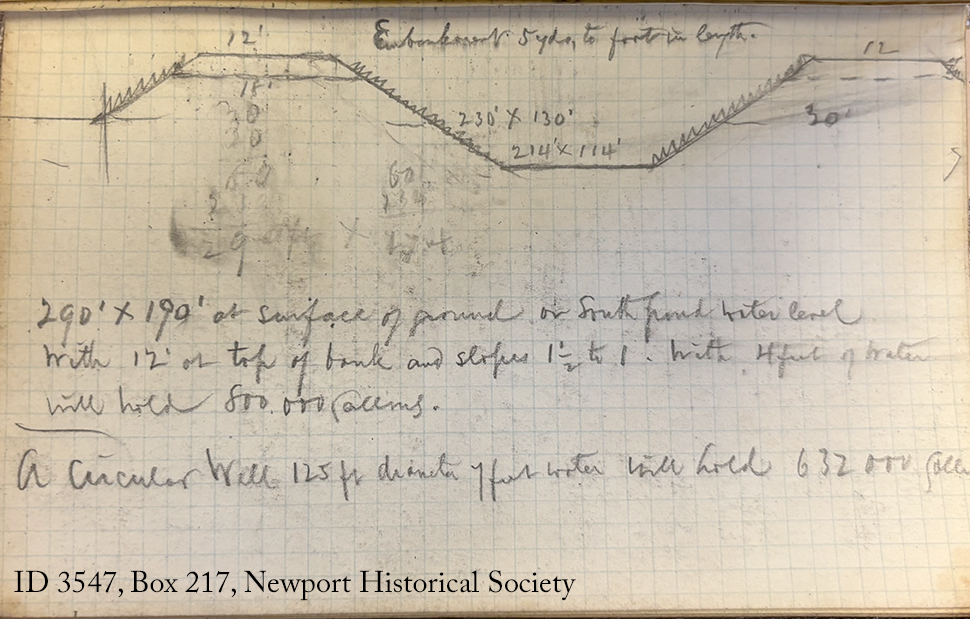
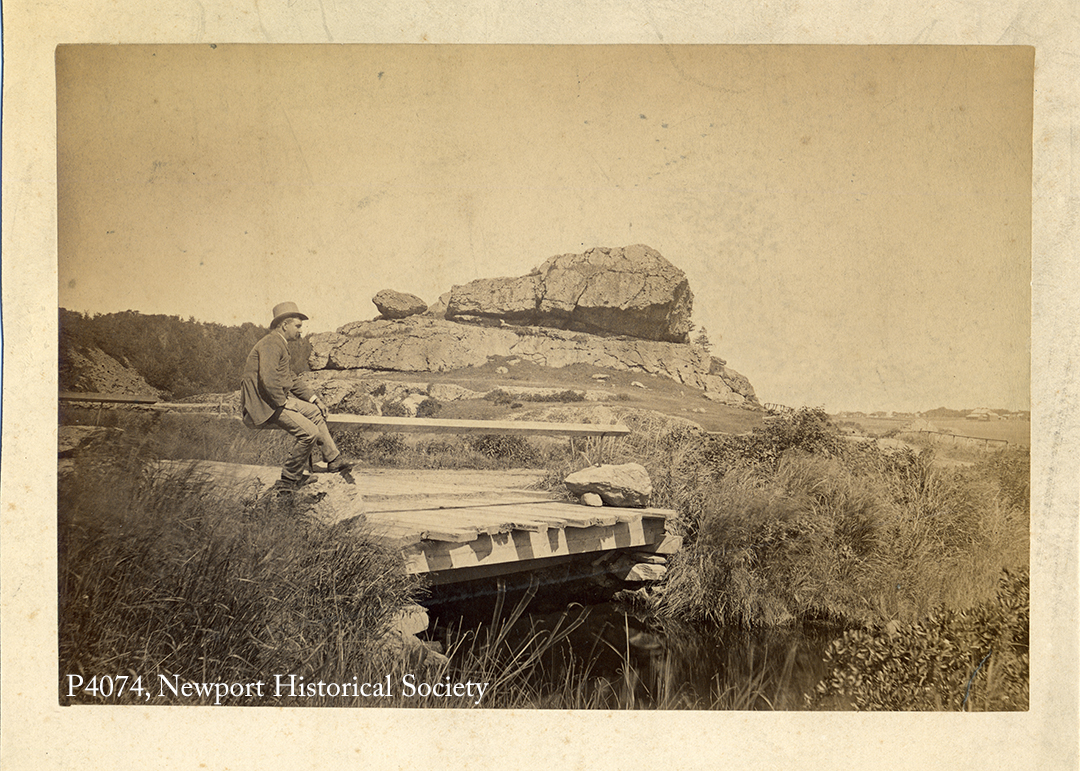
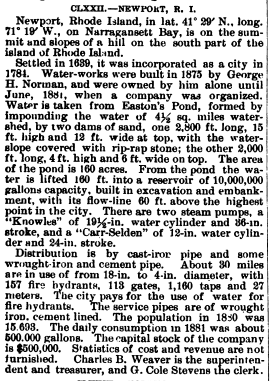
The history of Newport’s public drinking water system began in 1876, when the City accepted George Norman’s proposal to construct a comprehensive waterworks system. Construction began that same year with the development of North and South Easton Ponds, which became the community’s primary water sources. Before this system was built, Newport relied primarily on the Touro Street Spring and private wells for its water supply.
Read more…
In 1881, George Norman joined with local leaders William Sheffield and Norman Weaver to establish the Newport Water Works Company, which was later renamed the Newport Water Corporation in 1929. The City of Newport assumed ownership and operation of the water system in 1936, expanding service across Aquidneck Island in the decades that followed.
System Growth and Expansion
When the system was in early stages of operation in 1882, Newport’s population was about 15,700, and the water network included:
- 30 miles of pipe
- 157 fire hydrants
- 27 meters
- Average daily consumption: 500,000 gallons
At that time, the North and South Easton Ponds had a total capacity of 10 million gallons. Over the next 50 years, the system expanded to include additional reservoirs acquired between 1877 and 1928, including Lawton Valley, St. Mary’s Pond, and Sisson Pond in Portsmouth, and Nelson Pond and Gardiner Pond in Middletown. Later additions included Nonquit Pond in Tiverton (1948) and Watson Pond in Little Compton (1967).
Today, the Newport Water Division (NWD) serves between 40,000 and over 100,000 people seasonally through a network that includes:
- 200+ miles of pipe
- 1,300+ hydrants
- 15,000+ meters
- Average daily consumption: 5 to 9.5 million gallons
North and South Easton Ponds remain primary water sources, now providing a usable capacity of 650.8 million gallons.
Treatment Facilities and Modernization
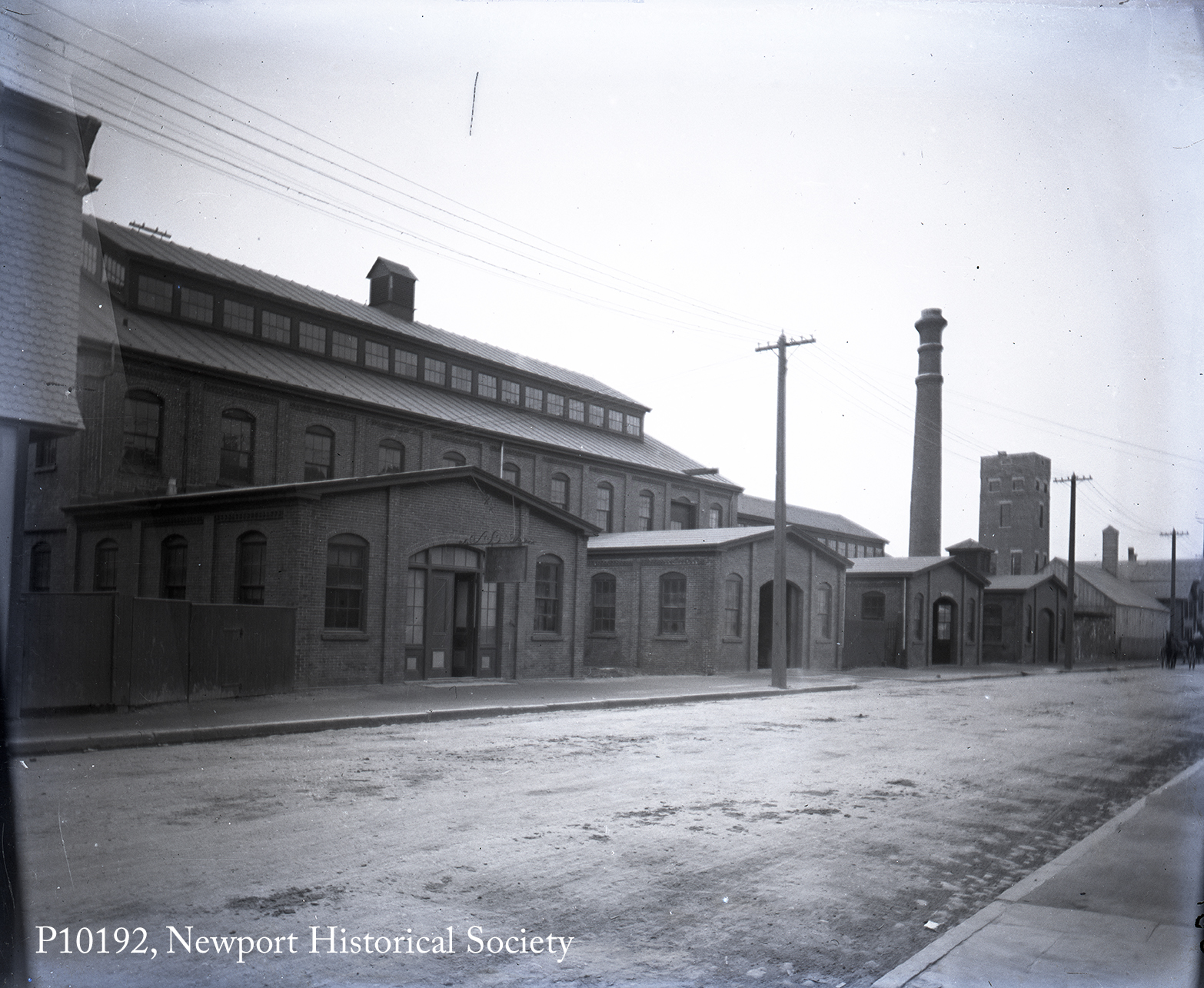
At the City’s request, the Newport Water Works Company built the system’s first modern water treatment plant (WTP) on Marlborough Street in 1910, which was later demolished. Increased water demand during World War II led to construction of the Lawton Valley Water Treatment Plant in 1942. To meet growing needs, the Station 1 WTP was added in 1991, expanding system capacity and improving reliability.
By 2004, evaluations showed that the Lawton Valley plant had exceeded its useful life, and Station 1 required significant upgrades to maintain water quality and increase capacity from 6 to 9 million gallons per day (MGD). Between 2012 and 2013, the City invested $85 million, loaned through the Drinking Water State Revolving Fund (DWSRF) administered by the Rhode Island Infrastructure Bank, to replace Lawton Valley WTP and upgrade Station 1 WTP. Both projects were completed in 2014.
The modern Lawton Valley and Station 1 treatment plants now operate with mirrored processes, providing operational flexibility and a combined treatment capacity of 16 MGD. Both facilities use the following advanced treatment technologies:
- Pre-oxidation
- Coagulation and flocculation
- Dissolved Air Flotation (DAF) — replaced original Station 1 pulsating clarifier in 2014 modernization
- Granular Activated Carbon (GAC) filtration and post-filter treatment
- Disinfection (chlorine residual)
- pH adjustment and corrosion control
- Fluoridation — currently suspended; see Water Treatment and Quality for status
The GAC systems are particularly effective in addressing seasonal taste and odor issues caused by summer algae blooms. With these upgrades, Lawton Valley and Station 1 became the first advanced treatment plants in Rhode Island to incorporate such processes, ensuring safe, high-quality drinking water for the Newport community well into the future.
Quick Facts
Real-Time Reservoir Water Quality Data
Two reservoir monitoring buoys collect data continuously during the open-water season.
The Newport Water Division operates water quality monitoring buoys on two reservoirs in the system. Each buoy records measurements at the reservoir surface and transmits data to a cloud-based platform where the public can view current conditions. Continuous monitoring supports source water protection work and provides awareness of seasonal reservoir conditions beyond regulatory sampling.
South Easton Pond
Newport, RI. A primary drinking water reservoir serving Newport, Middletown, and the small portion of Portsmouth served by NWD.
Watson Reservoir
Little Compton, RI. Part of Newport’s extended reservoir system, with raw water conveyed to NWD treatment plants.
How to read the data
- Buoy data is research-grade, not regulatory. Continuous monitoring provides awareness of reservoir conditions but is not used for drinking water compliance. Compliance measurements are taken on finished water after treatment, reported in the annual Consumer Confidence Report, and filed with the Rhode Island Department of Health, which regulates finished drinking water, not raw reservoir water.
- Seasonal variation is normal. Temperature, dissolved oxygen, pH, and chlorophyll all change with weather, season, and time of day. Short-term swings do not indicate a water quality problem.
- Phycocyanin (blue-green algae indicator) typically increases in warm months. This pattern is typical in reservoirs across the region. The Water Division monitors trends and coordinates with the Rhode Island Department of Health when any action is warranted. Finished drinking water leaving the treatment plant continues to meet all state and federal standards regardless of raw water conditions in the reservoir.
- Reservoir buoys are seasonally deployed. Buoys are removed from the reservoirs during winter months to prevent ice damage. Data collection pauses during winterization and resumes when buoys are redeployed in the spring. Gaps may also occur during calibration or sensor maintenance.
Data hosted by NexSens WQData LIVE. The Department of Utilities is responsible for the monitoring buoys and their maintenance. For the consolidated view of all Department monitoring stations, see the Water Quality Monitoring page. For questions about drinking water quality or the annual Consumer Confidence Report, see the Water Treatment and Quality page or contact the Water Division at 401-845-5600.
