
ms4 PROGRAM OVERVIEW
The Water Pollution Control Division (WPC) operates a Municipal Separate Storm Sewer System (MS4) under the Rhode Island Pollutant Discharge Elimination System (RIPDES) General Permit. This program is part of a statewide effort led by the Rhode Island Department of Environmental Management (RIDEM) and the U.S. Environmental Protection Agency (EPA) to protect our waterways from polluted stormwater runoff.
Stormwater runoff (rain or snow melt that flows over rooftops, streets, and parking lots) can carry pollutants directly into local streams, ponds, and Narragansett Bay. Unlike wastewater, stormwater is not treated before it enters our waterways. Storm drains and outfalls lead directly to local waters. With the exception of the UV Disinfection Treatment System at the Easton’s Beach outfall; there are NO filters and NO treatment. Managing it properly is essential to protecting public health, preventing flooding, and improving water quality.
program elements
Newport’s Stormwater Management Program includes six key elements:
These six elements correspond to the minimum control measures required of small MS4s under the Phase II rule.
MS4 Annual Reports
Each year, WPC reports its progress through a publicly available Annual Report to RIDEM. In 2026, WPC issued a Public Notice for the Draft Annual Report for Program Year 22. No public comments were received, and the final report was submitted to RIDEM by the March 10, 2026 deadline. The City continues to enhance its program through proactive maintenance, public education, and stormwater infrastructure improvements.
why it matters
Stormwater runoff is now Newport’s primary water quality challenge. As it flows across impervious surfaces such as rooftops, roads, driveways, it picks up pollutants like fertilizers, pet waste, detergents, and yard debris. These pollutants travel through storm drains directly to our local waters without treatment.
This runoff contributes to the impairment of local waterbodies, including Newport’s drinking water supply reservoirs. According to RIDEM’s 2021 Total Maximum Daily Load (TMDL) Report, urban and residential runoff is the largest source of pollutants for six of the nine reservoirs in Newport’s system.
Stormwater management is one of our most important pathways to protecting our water, our environment, and our community. It provides a multitude of benefits including:
A SMARTER FUTURE: INTEGRATED WATER MANAGEMENT
With major Combined Sewer Overflow (CSO) projects completed and mandated regulatory requirements fulfilled, WPC is now focused on stormwater as the next frontier in clean water protection. WPC is embracing a smarter, integrated approach to water management, linking clean water, flood protection, and climate resilience in a unified strategy for the future.
Through integrated infrastructure upgrades, smart investments, long-term planning, and community engagement, we’re building the future together.
How Can You Help?
There are various ways local businesses and residents can implement solutions to pollution and reduce the impacts of polluted stormwater runoff on local waters!
Practice Pollution Reduction Habits at Home
Build A Green Solution
To reduce the volume of runoff that degrades the water quality of local waters and causes flooding in our neighborhoods, we need to reduce the amount of impervious surfaces draining into our storm sewer system. Every time we add impervious surfaces, we increase the risks of degraded water quality and flooding. Even small additions, such as a driveway expansion, new walkway, or patio, when added across the watershed, have a substantial flooding impact.
Read more…
Green Solutions uses landscaped elements to disconnect impervious surfaces from drainage systems. These landscape design approaches collect runoff from hard surfaces and either infiltrate it into the ground and/or reuse it as water for plants. While there are many dozens and variations of green solution designs, several that would be a good fit in Newport neighborhoods include:
- Downspout Disconnection
- Paved Surface Disconnection
- Rain Barrel
- Rain Garden
- Vegetated Swale
- Dry Well
- Permeable Pavers
- Infiltration Trench
WPC’s Homeowner’s Guide to Stormwater Management details determining which green solutions would be most effective on your property and how to build and install them.
Adopt a Catch Basin
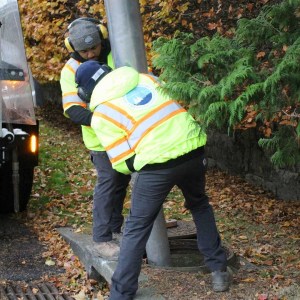
With well over 3,000 catch basins throughout the City, WPC’s stormwater system requires constant attention. Keeping catch basins clear is critical to ensuring the system works as efficiently as possible during storm events. Free-flowing catch basins not only help prevent rainwater from ponding on City streets but also help minimize the number of pollutants entering local waterways such as Newport Harbor. Residents and business owners can adopt a local catch basin and help keep the surface free of debris.
Here’s how you can help:
If the drain is still clogged after you’ve removed the surface debris, please call the Department of Utilities and they’ll investigate further to correct any defect.