
80.6
Miles of Sanitary Sewer
20
Miles of Force Main
1988
Number of Manholes
44
Number of Pumpstations
Newport’s Sewer System
In addition to managing the stormwater system, the Water Pollution Control Division (WPC) operates, maintains, and upgrades Newport’s sewer system, an essential part of the city’s infrastructure that has been in place since the 1870s. This system includes gravity and force sewer lines, manholes, pump stations, and treatment facilities, all designed to safely and reliably collect, convey, and treat wastewater from homes, businesses, and industries. In addition to serving the City
Why The Sewer System Matters
Sewer systems are among the most critical, and often overlooked, components of a modern city. Every time you flush a toilet, take a shower, drain a sink, or run a washing machine, that water must go somewhere. In Newport, it flows safely through the city’s sewer network for treatment and environmental protection. Here’s how the water system supports our community:
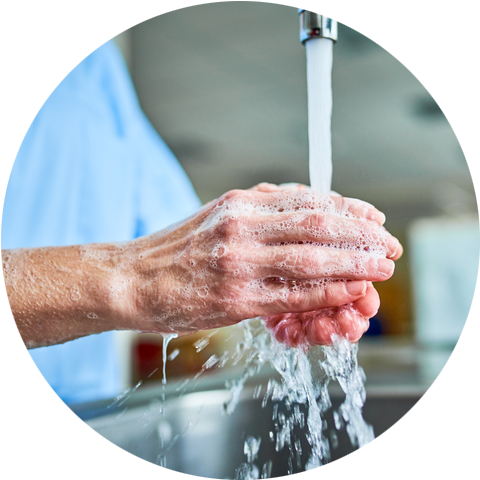
Protecting Public Health
The sewer system collects and transports wastewater to the Water Pollution Control Treatment Plant, preventing the spread of harmful bacteria, viruses, and other contaminants that can pose health risks.

Protecting the Environment
By routing wastewater to the treatment plant, the system helps keep local waterways clean, supports healthy ecosystems, and safeguards wildlife.

Supporting Safe, Clean Communities
The system maintains neighborhood sanitation, prevents odor issues, and protects public spaces from contamination, ensuring Newport remains a clean and livable community.
Due to the criticality of the system in our everyday lives, it’s:
Infrastructure that Needs Care & Investment
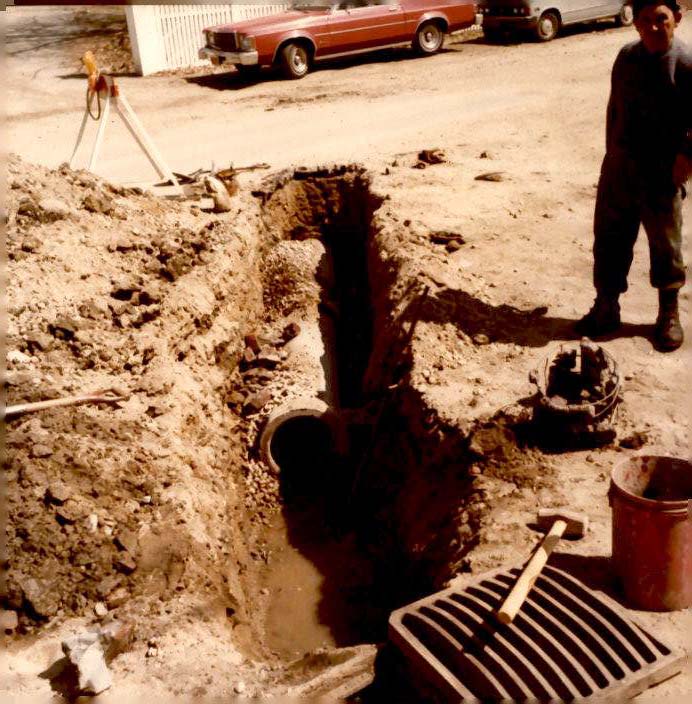
Some of Newport’s sewer system is more than a century old. As infrastructure ages, the risk of leaks, clogs, and system failures increases. That’s why continuous maintenance, strategic upgrades, and long-term smart investments are so important, to prevent service disruptions, avoid sewage backups, reduce costly emergency repairs, protect public and environmental health, and ensure reliable service for generations to come.
The Problem: Aging Infrastructure
The lifespan of infrastructure components varies significantly based on materials, environmental conditions, maintenance practices, and usage.
Sewer System Infrastructure
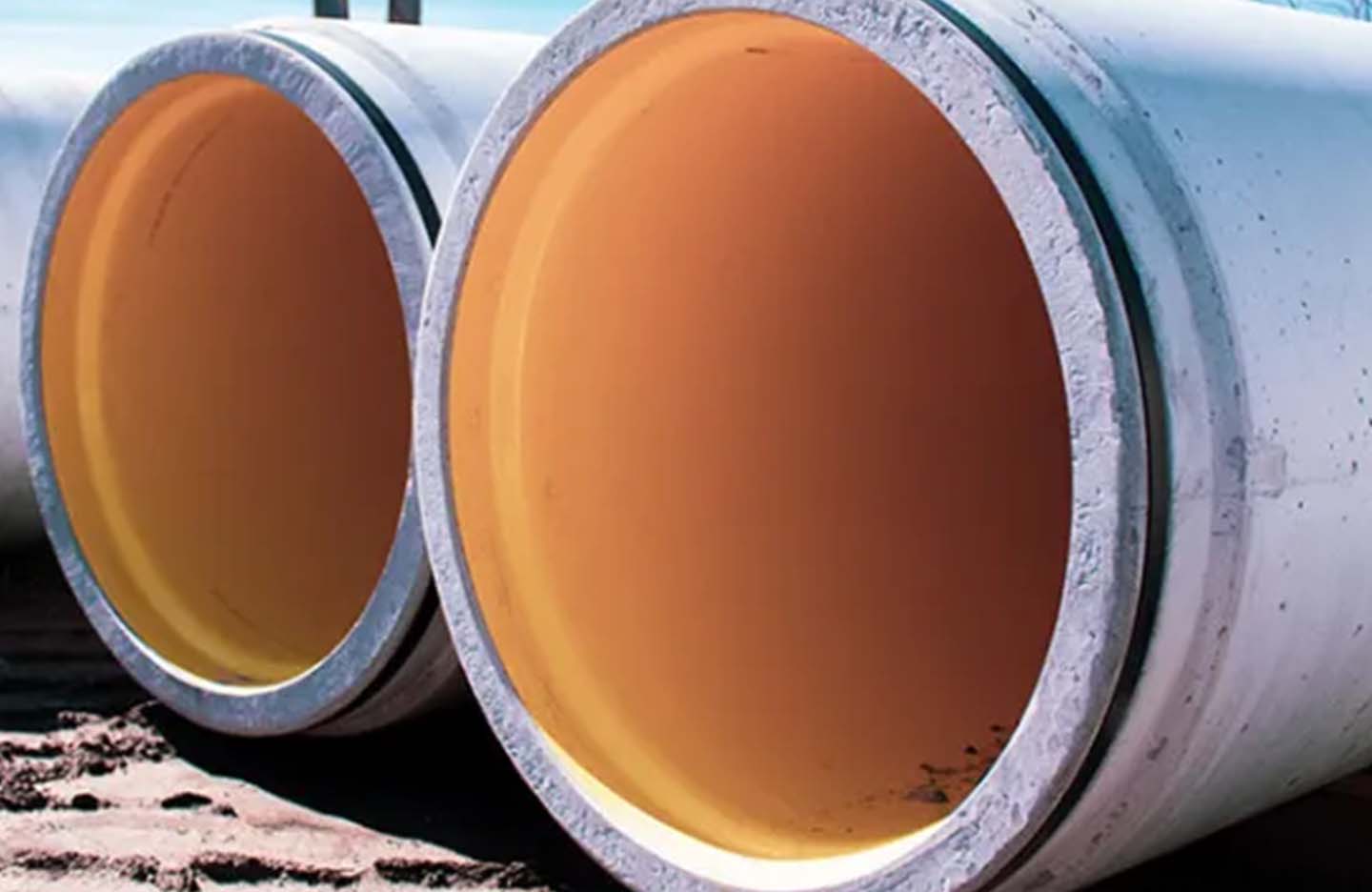
Sewer Pipes
Depending on material and environmental factors, sewer pipes have a useful lifespan ranging from 50 – 100 years.
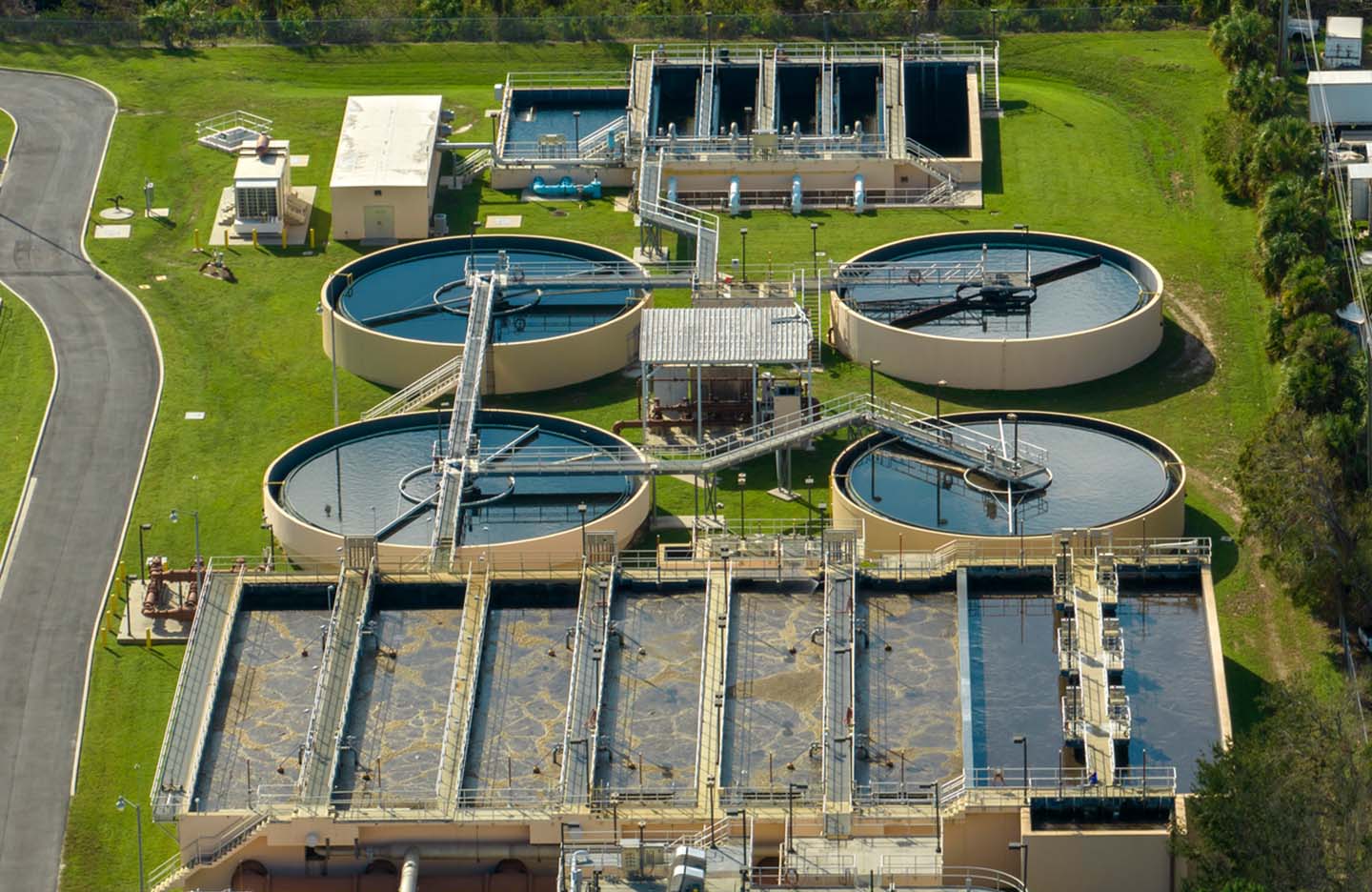
Wastewater Treatment Plants
Introduced in the 1950s, ductile iron pipes have an average useful lifespan of 100 years.
Factors Influencing Lifespan
Understanding these factors helps WPC plan maintenance, rehabilitation, and replacement to keep the system functioning efficiently and reliably.
Miles of sewer gravity main installed by year and pipe material
The map provides live, real-time data on the age and material of our system’s sewer gravity mains (pipes). Most of the system is comprised of vitrified clay sewers with an average age of over 70 years old. Brick was the predominant material for sewer lines in the 1800s; the remaining brick sewers in Newport’s system have an average age of over 115 years old.
WPC History
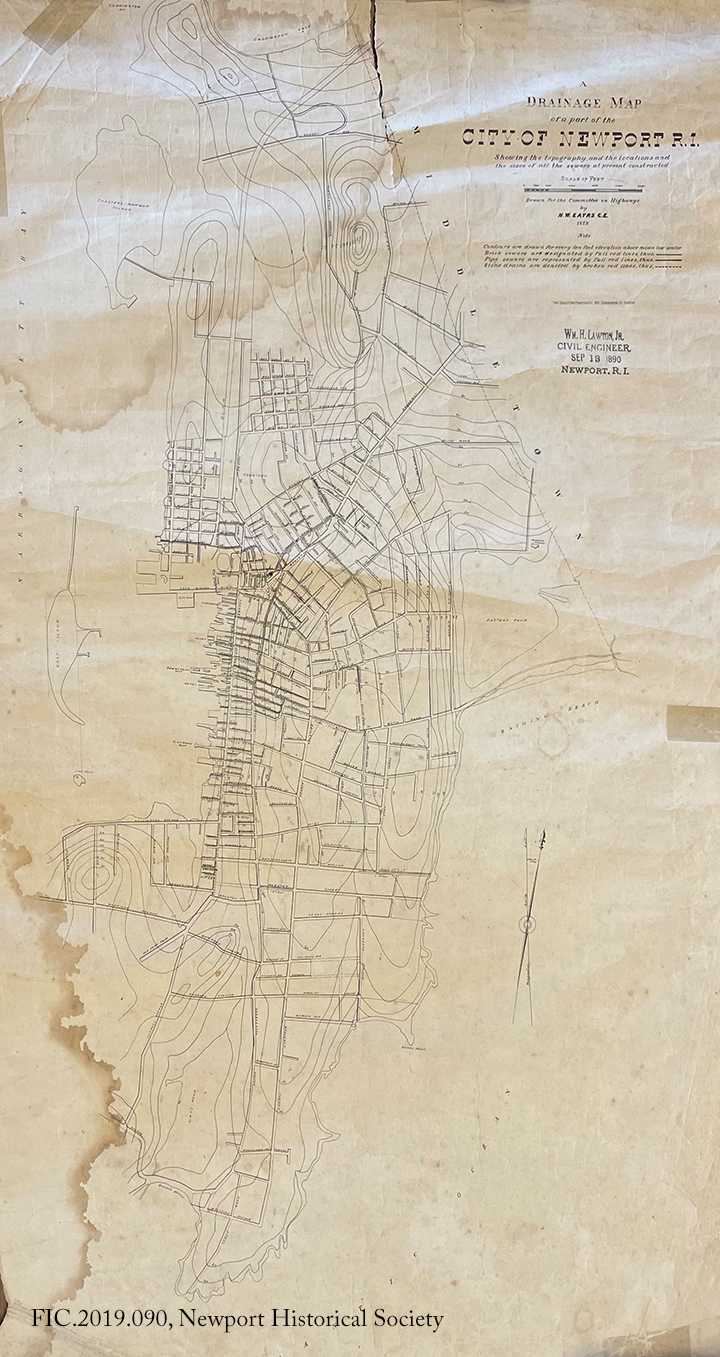
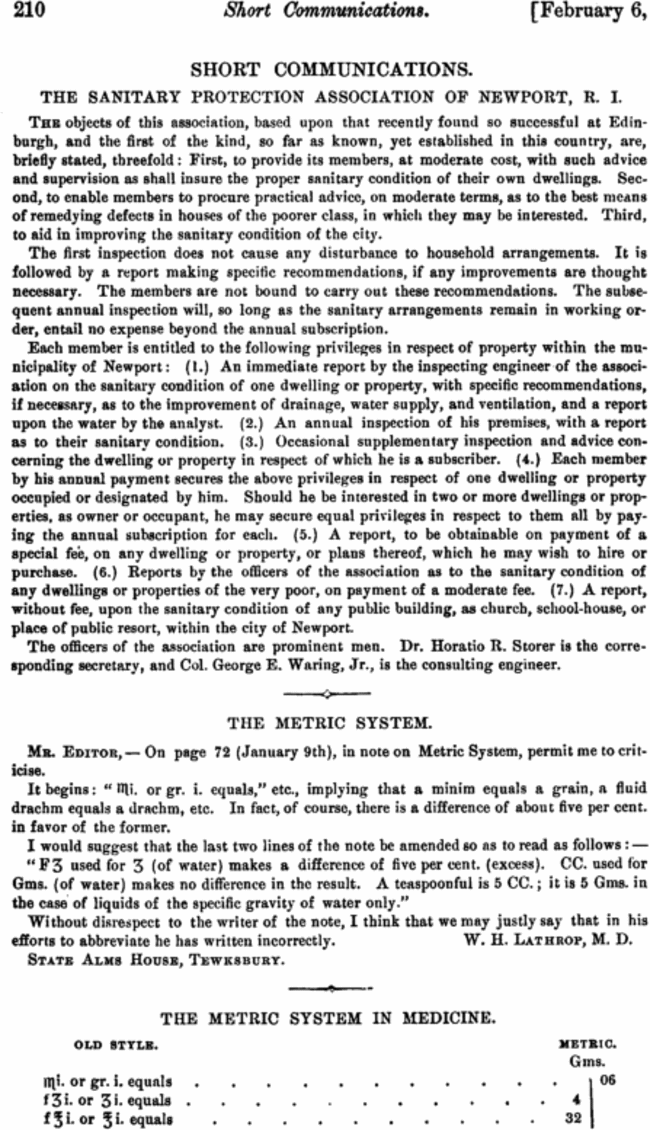
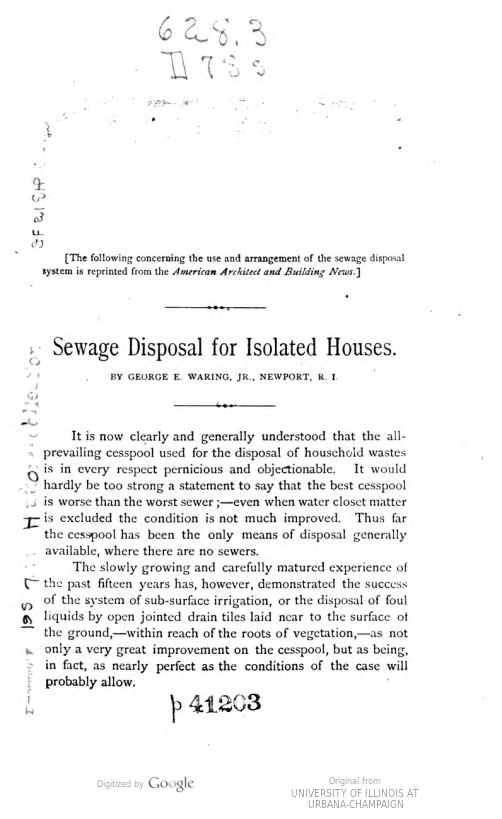
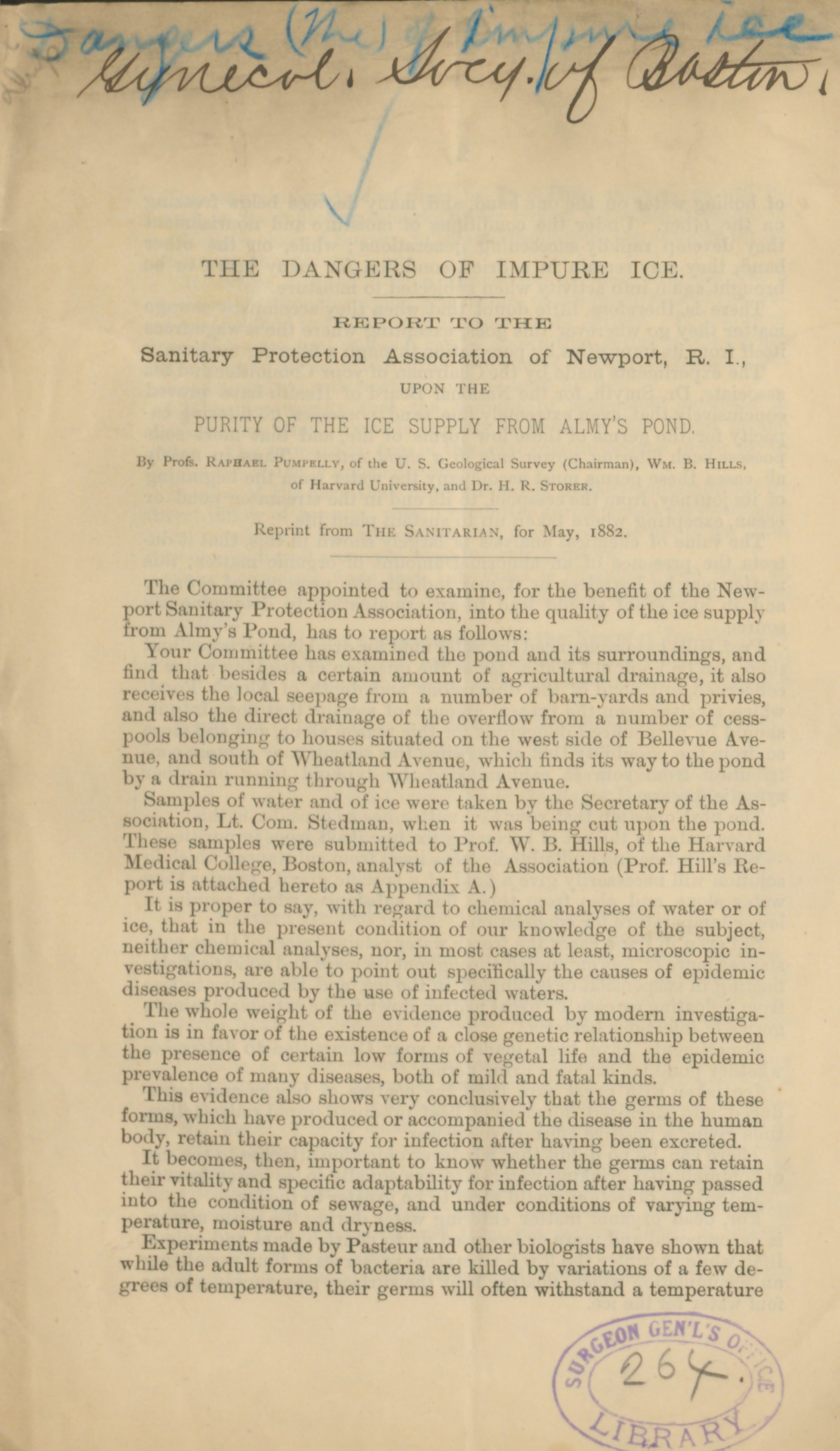
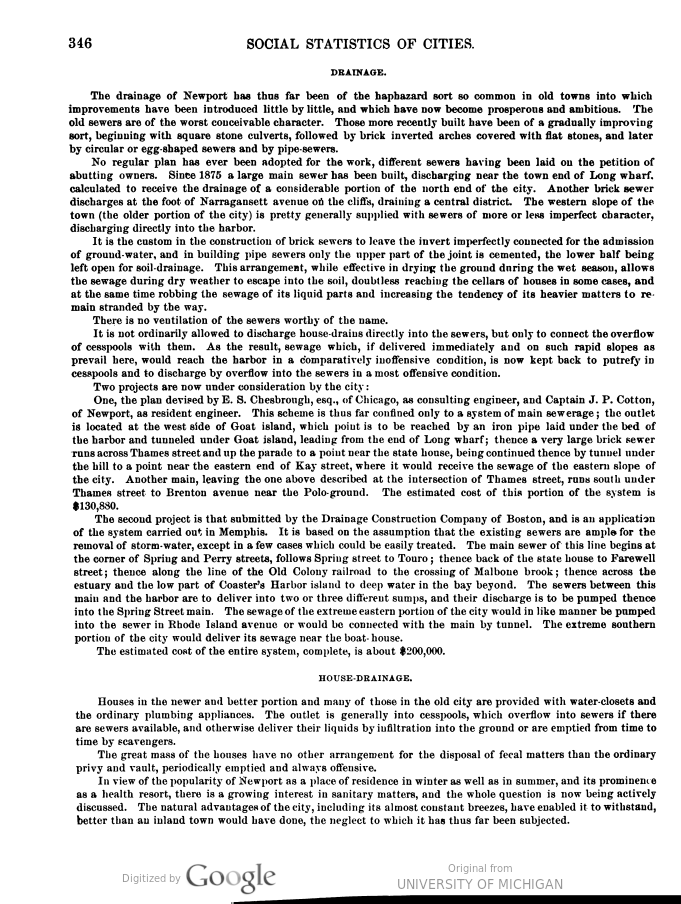
Newport’s original combined system dates back to the 1870s, when it was designed, like many older Northeastern cities, to carry both sewage and stormwater. Colonel George Waring, a nationally recognized sanitary engineer, oversaw its creation as consulting engineer to the Sanitary Protection Association of Newport.
Read more…
Founded in 1879, the Association was the first organization of its kind in the United States, providing members with sanitary guidance and oversight to improve public health. Waring later established the engineering firm Waring, Chapman & Farquhar in 1887, with offices in Newport and New York. Remarkably, some of the original clay drainage pipes laid under his supervision are still in use today.
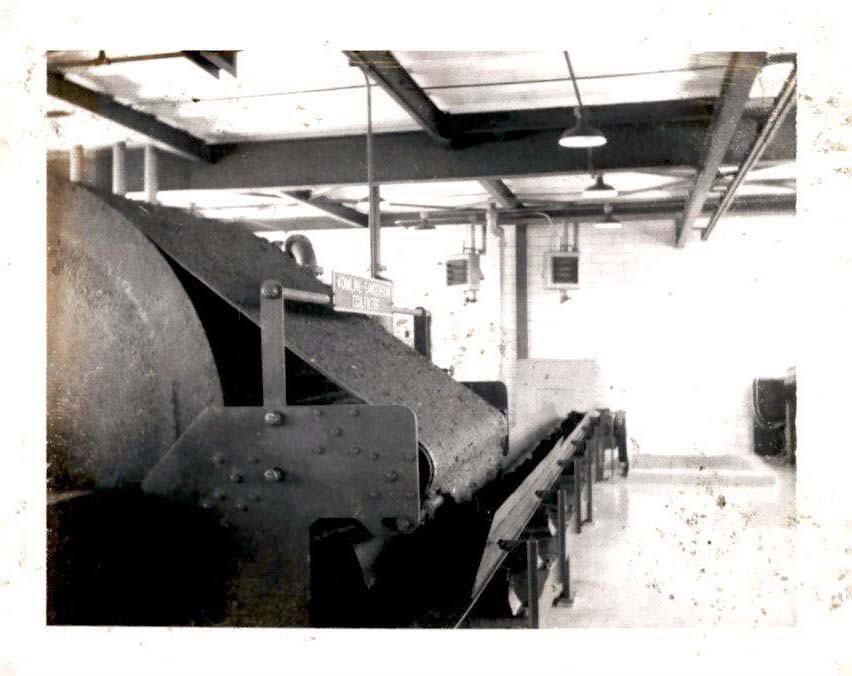
The City’s first wastewater treatment plant was constructed in 1955, using Imhoff cone technology to provide primary treatment, removing solids and allowing cleaner effluent from wastewater generated in Newport, Middletown, and portion of Naval Station Newport to be discharged. Before the plant was constructed, wastewater from homes, businesses, and industries flowed directly into local streams, drainage channels, and Narragansett Bay without treatment.
In the 1970s, the Water Pollution Control Division began an ambitious sewer separation program to reduce combined sewer overflows (CSOs) into Narragansett Bay. During this time, much of the City’s stormwater system was installed, transforming the original combined network into a primarily sanitary sewer system. Many stormwater catch basins were disconnected from the old system and rerouted into the new stormwater infrastructure. While a separate stormwater system has been established, today; Newport’s sewer system still contains both separate and combined components.
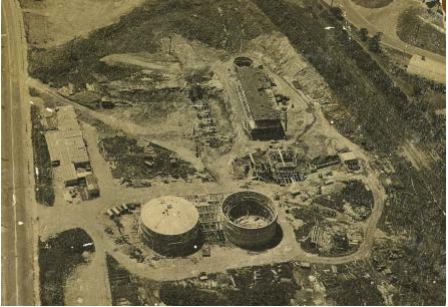
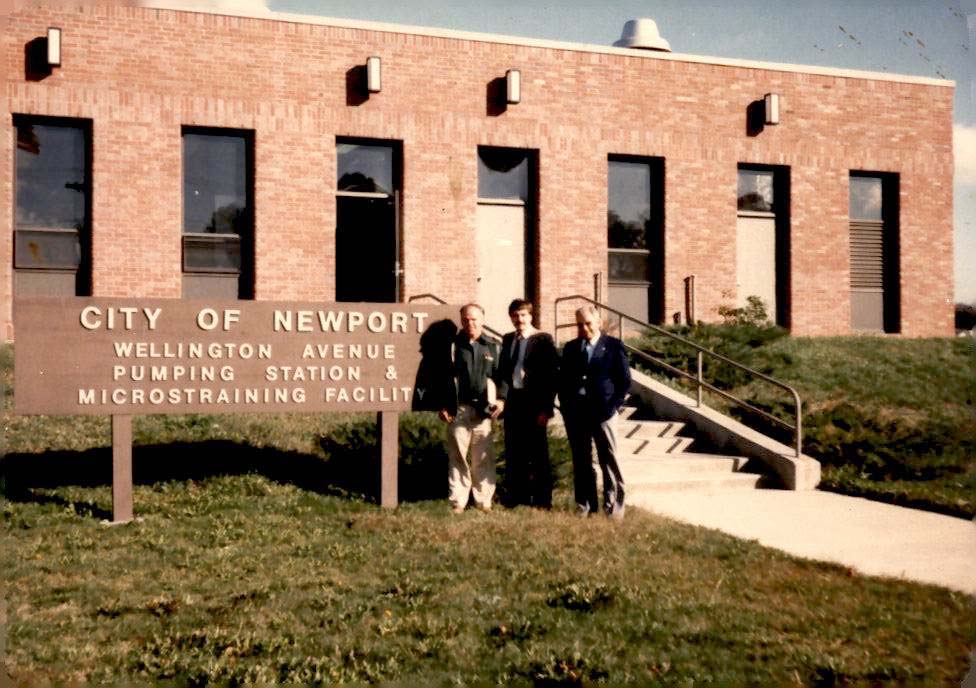
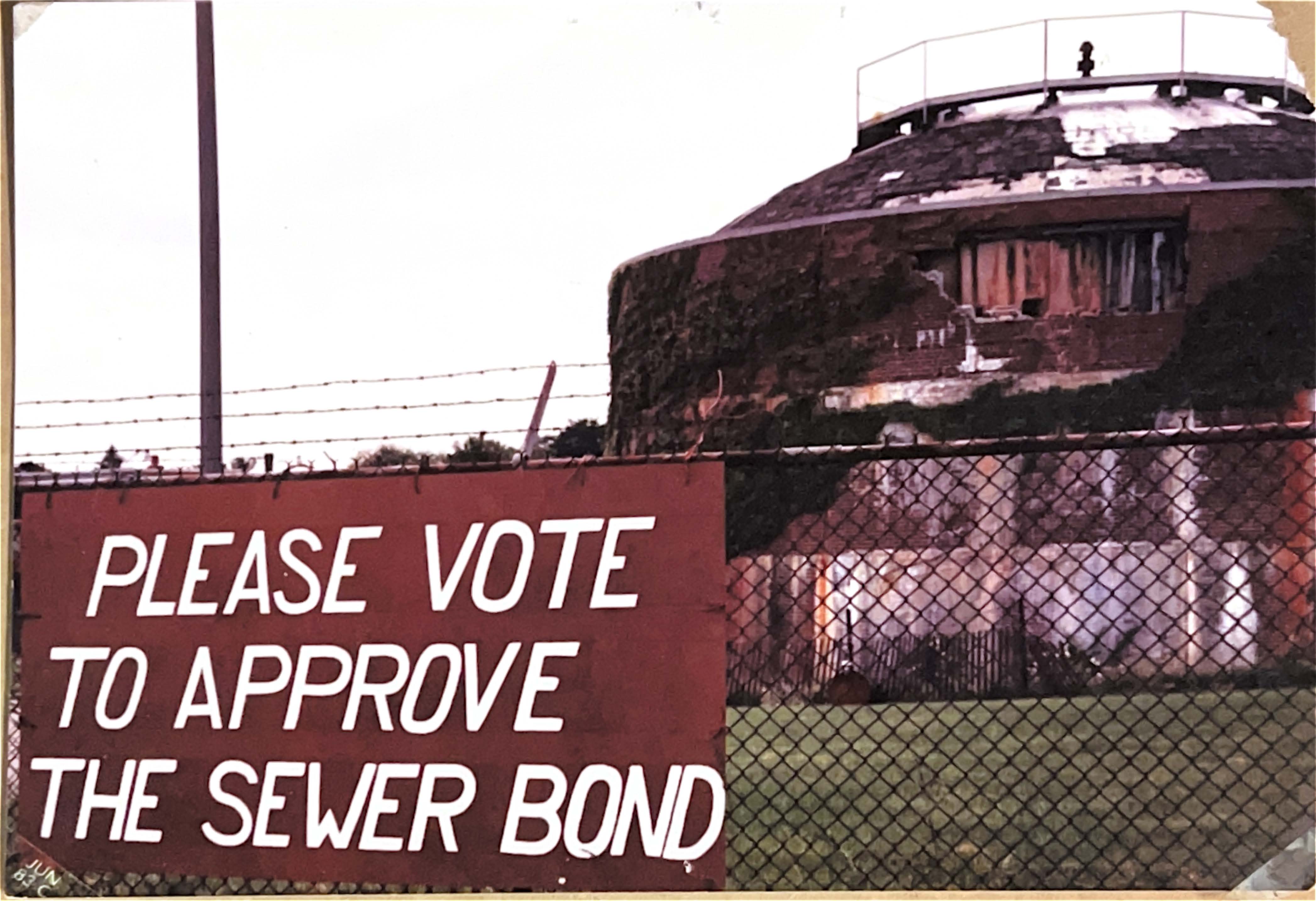
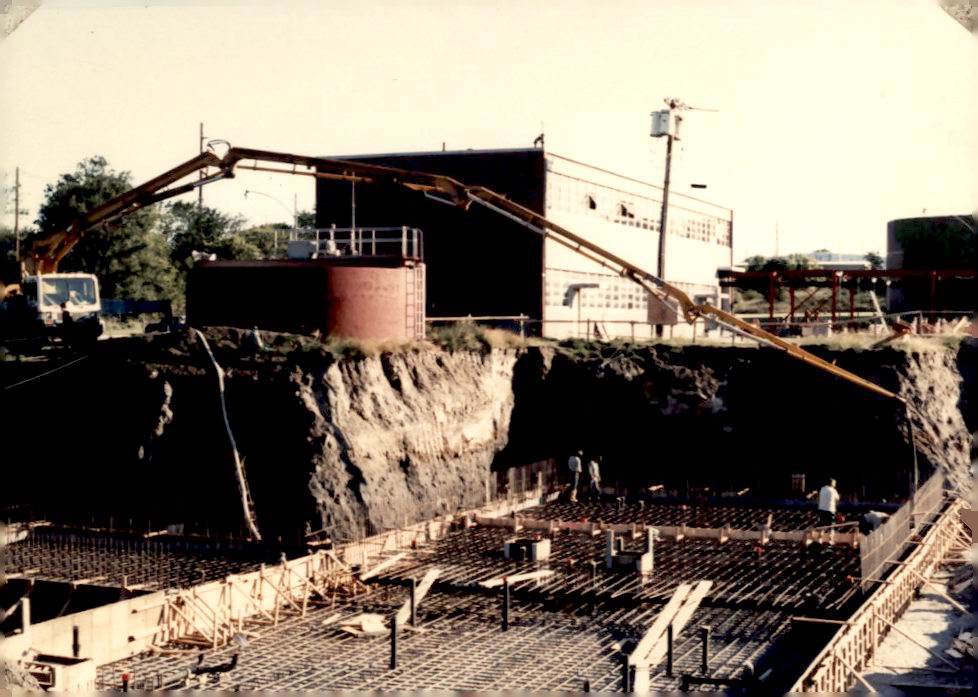
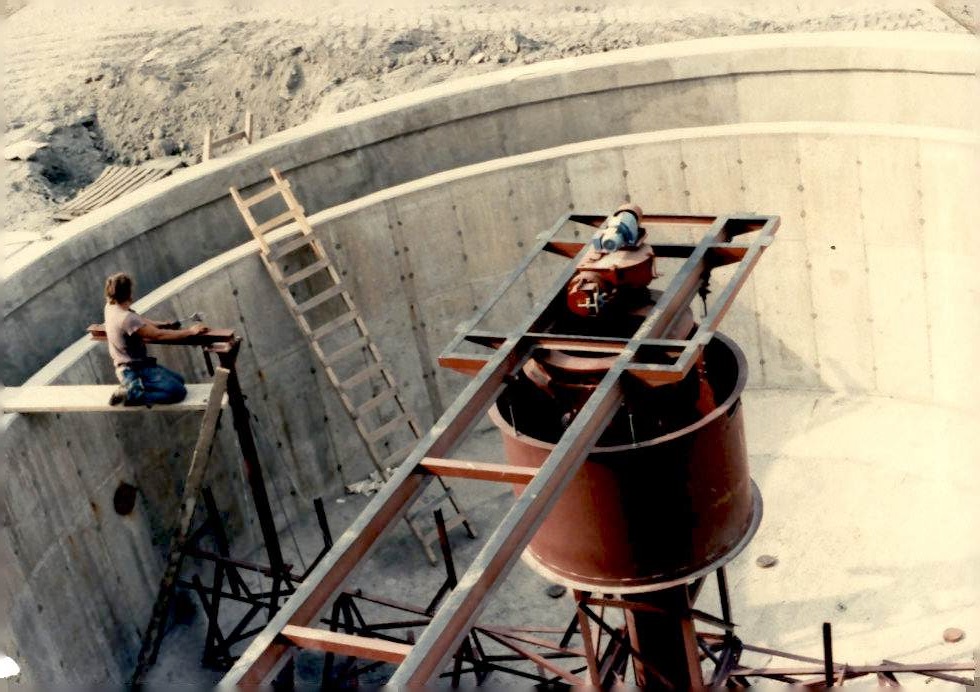
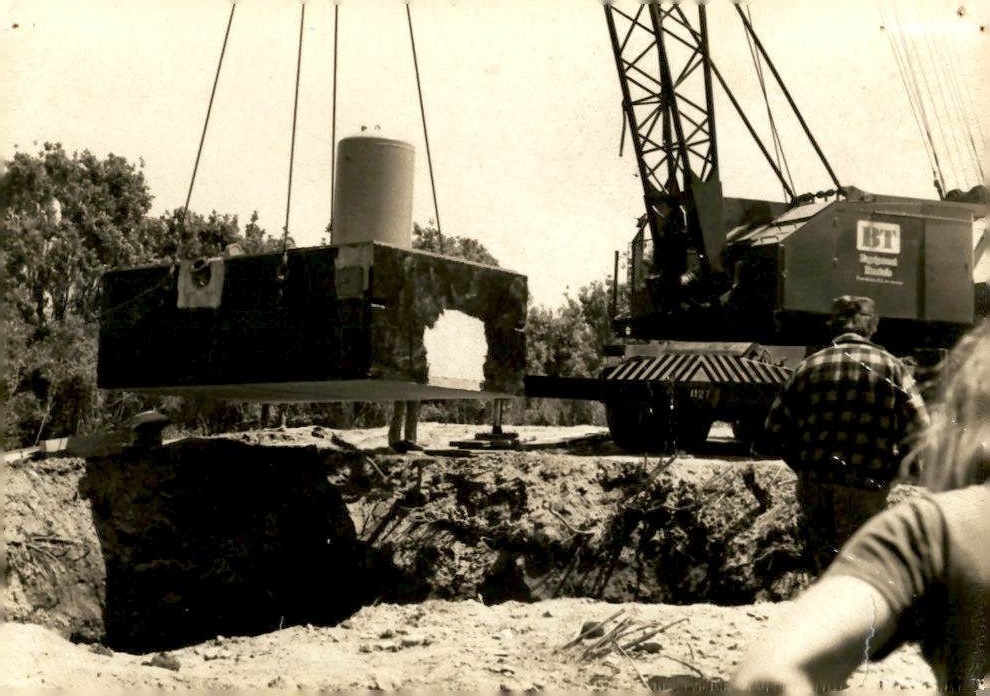
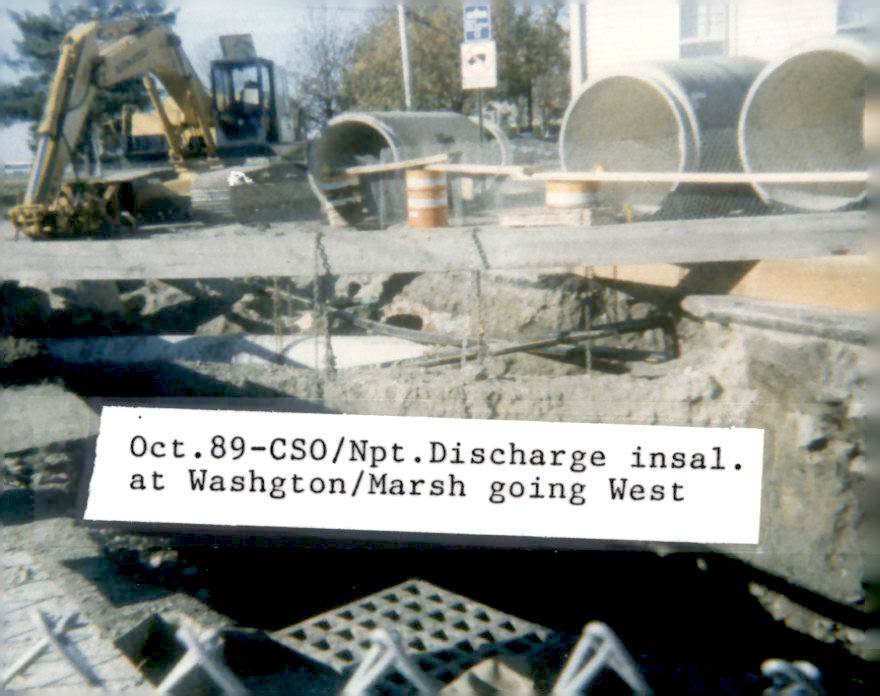
To further reduce CSOs, the Wellington Avenue CSO Treatment Facility was constructed in 1978, designed to treat, store, and disinfect excess flows from the combined system portions in the southern part of the city. With advocacy from Save the Bay and strong community support, Newport voters approved a $4 million sewer bond in 1986 to modernize the treatment plant. Secondary treatment processes were added to meet increasingly stringent water quality standards. Secondary treatment goes beyond simply removing solids (which happens during primary treatment) to actually remove dissolved and organic matter that can harm the environment. Construction was completed in 1991, that same year, the Washington Street CSO Treatment Facility came online, further strengthening the City’s commitment to protecting Narragansett Bay.
Over the following two decades, WPC implemented 40+ capital improvement projects under a mandated 20-year System Master Plan and Consent Decree with the EPA and RIDEM. These investments included projects such as the $45 million wastewater treatment plant modernization project, while reducing CSO volumes by over 80%, an estimated 35 million gallons annually.
Today, every combined sewer overflow (CSO) discharge in Newport is fully treated and disinfected before entering the Bay, a major environmental milestone compared to the pre-1955 era, when the city’s wastewater received no treatment at all. With that significant legacy behind us, the city’s primary water-quality challenge has shifted: it’s no longer untreated CSOs, but rather stormwater runoff that demands our ongoing attention.
From its roots in 19th-century public health reform to its 21st-century focus on climate and community protection, the story of Newport’s Water Pollution Control Division is one of innovation and adaptation. What began as combined sewers and untreated wastewater has evolved into modern, dual systems that protect public health, ensure clean waterways, reduce flooding, and build a more resilient Newport for generations to come.